

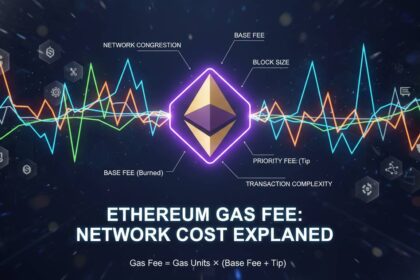

Ethereum gas fees represent the computational cost required to execute transactions and smart contracts on the Ethereum network. These fees compensate validators for the processing power and energy consumed by their hardware in securing and maintaining the blockchain. Without gas fees, the network would face spam attacks and resource exhaustion, making them essential for maintaining Ethereum's security and functionality. Understanding how gas works is crucial for anyone interacting with decentralized applications, trading tokens, or building on the Ethereum ecosystem.
Key Insights
- Average Ethereum gas fees fluctuate based on network demand, often ranging from $1 to $50+ per transaction
- Gas is measured in "gwei," with 1 gwei equal to 0.000000001 ETH
- The implementation of EIP-1559 in August 2021 fundamentally changed how fees are calculated and burned
- Network congestion can cause fees to spike dramatically during peak activity periods
Understanding Ethereum Gas: The Foundation
Ethereum operates as a decentralized platform for building applications and executing smart contracts. Every operation on this network—from simple ETH transfers to complex decentralized finance (DeFi) transactions—requires computational resources. Gas serves as the measuring unit for these resources, essentially functioning as the fuel that powers the Ethereum virtual machine (EVM).
The concept of gas distinguishes Ethereum from traditional computing platforms. When you run a program on a standard server, you pay for server time and resources through a monthly subscription or fixed fee. Ethereum, however, operates on a global network of thousands of validators who voluntarily contribute their computing power. Gas fees create an economic incentive for these validators while preventing malicious actors from overwhelming the network with unnecessary computations.
Each Ethereum operation has a specific gas cost assigned to it. Simple operations like transferring ETH between addresses require approximately 21,000 gas units, while more complex operations like interacting with DeFi protocols can require 100,000 gas units or more. This variable pricing system ensures that users pay proportionally to the resources their transactions consume.
The Ethereum network uses a market-based approach to determine gas prices. When network activity is low, users can often execute transactions for just a few dollars. During periods of high demand—such as when popular NFTs drop or DeFi protocols announce token launches—fees can surge to $100 or more for simple transfers. This volatility represents one of the most significant challenges facing Ethereum users and has driven substantial innovation in layer-2 scaling solutions.
How Gas Fees Work: Gwei and Gas Price
Understanding gas fees requires mastering several interconnected concepts: gas limit, gas price, and the distinction between base fees and priority fees. These elements combine to determine the total cost of any Ethereum transaction.
Gas limit refers to the maximum amount of gas a user is willing to spend on a particular transaction. Setting a higher gas limit provides a buffer for complex operations that might require more computational resources than initially estimated. For a standard ETH transfer, the gas limit is typically set at 21,000 units. Smart contract interactions often require substantially higher limits, sometimes reaching 500,000 units or more for complicated operations.
Gas price, expressed in gwei, represents the amount users are willing to pay per unit of gas. Gwei—short for "giga-wei"—is a denomination of ETH where 1 gwei equals 0.000000001 ETH or one billion wei. Using gwei makes discussing small fractional amounts of ETH more practical, similar to how cents simplify dollar discussions.
The total transaction fee follows a straightforward formula: Gas Limit × Gas Price = Total Fee. However, the introduction of EIP-1559 in August 2021 complicated this calculation by splitting fees into two components. The base fee, determined algorithmically based on network demand, gets burned (permanently removed from circulation), while the priority fee (also called a tip) goes directly to validators as an incentive to include the transaction in the next block.
| Component | Description | Who Receives It |
|---|---|---|
| Gas Limit | Maximum gas units for transaction | Set by user |
| Base Fee | Network-determined minimum fee | Burned (removed from circulation) |
| Priority Fee | Optional tip for validators | Validators |
| Total Fee | Gas Limit × (Base Fee + Priority Fee) | Combined |
This two-fee system was implemented to make Ethereum's fee market more predictable and to create deflationary pressure by burning a portion of every transaction fee. Since EIP-1559's implementation, Ethereum has burned millions of dollars worth of ETH daily, potentially making the cryptocurrency more scarce over time.
Factors That Determine Ethereum Transaction Costs
Multiple interconnected factors influence how much you'll pay in gas fees at any given moment. Understanding these variables helps users time their transactions strategically and avoid unnecessary expenses.
Network Demand and Congestion
The primary driver of gas prices is simply how many people are trying to use the Ethereum network at the same time. Each block on Ethereum can only contain a limited amount of computation—currently around 30 million gas worth of transactions. When demand exceeds this capacity, users must outbid each other to have their transactions included in the next block. This competition naturally drives up prices.
Network activity tends to peak during certain hours of the day, typically aligning with business hours in North America and Europe. Weekend activity generally sees lower demand, potentially offering opportunities for cheaper transactions. Major events like protocol upgrades, NFT launches, or significant DeFi announcements can cause dramatic spikes that last hours or even days.
Transaction Complexity
Different operations consume different amounts of gas. A simple ETH transfer requires minimal computation, but interacting with smart contracts involves reading and writing data to the blockchain, which consumes substantially more resources. Common transaction types and their approximate gas requirements include:
- Standard ETH transfer: 21,000 gas
- ERC-20 token transfer: Approximately 65,000-85,000 gas
- Uniswap swap: 150,000-300,000 gas
- NFT mint: 100,000-300,000+ gas
- Complex DeFi interactions: 500,000+ gas
Block Space Availability
Ethereum produces new blocks approximately every 12-15 seconds, but this timing can vary. Each block has a gas limit that determines how many transactions it can accommodate. When the network is busy, blocks often fill completely, forcing users to wait for subsequent blocks or pay higher fees to prioritize their transactions.
Types of Transactions and Their Gas Requirements
Ethereum supports various transaction types, each carrying different gas implications. Understanding these differences helps users anticipate costs and plan accordingly.
Basic ETH Transfers
The simplest transaction type involves sending ETH from one address to another. These transactions require exactly 21,000 gas units—the minimum for any transaction on the network. During low-demand periods, these transfers can cost less than $1. However, during network congestion, even basic transfers can cost $10-$30 or more.
Smart Contract Interactions
Any interaction with a decentralized application (DApp) involves calling a smart contract, which typically costs significantly more than basic transfers. When you swap tokens on Uniswap, borrow assets on Aave, or mint an NFT, you're executing complex logic that requires additional computational resources.
The gas cost for smart contract interactions depends on several factors including the number of state changes (how much data gets written to the blockchain), the complexity of the contract logic being executed, and whether the operation involves cross-contract calls.
Multi-Sig and Contract-Based Wallets
Transactions from smart contract wallets—like those used by Gnosis Safe or Argent—require more gas than simple EOA (externally owned account) transactions. This is because the network must execute additional logic to verify multi-signature approvals or other security features. Users should expect to pay 10-20% more gas when using these enhanced security wallets.
Historical Context: EIP-1559 and Fee Market Changes
The evolution of Ethereum's fee market represents one of the most significant protocol changes in the network's history. Understanding this context helps explain current fee structures and anticipate future developments.
Before August 2021, Ethereum used a simple auction-based fee system where users submitted their gas price as a bid. Validators would naturally include the highest-bidding transactions first. While straightforward, this system created unpredictable fees and often resulted in users overpaying during periods of falling demand.
EIP-1559 transformed this mechanism by introducing the base fee concept. This algorithmically determined fee adjusts dynamically based on network demand, increasing when blocks are full and decreasing when capacity exists. The base fee gets burned, creating a deflationary mechanism that has removed billions of dollars worth of ETH from circulation since implementation.
Research from crypto analytics firm Glassnode indicates that Ethereum has burned over $10 billion worth of ETH through EIP-1559 as of early 2024. This burning mechanism means that as Ethereum usage grows, the supply of ETH theoretically decreases, potentially increasing its value—a concept often referred to as "ultra-sound money."
The transition wasn't without controversy. During the initial implementation, some users reported paying higher fees than under the previous system, particularly during extreme network congestion. However, most data suggests that EIP-1559 has provided more predictable fee experiences for the majority of users while creating sustainable value accrual for ETH holders.
Strategies to Reduce Ethereum Gas Fees
While Ethereum gas fees cannot be eliminated, users can employ several strategies to minimize their costs significantly.
Timing Transactions Strategically
Gas prices fluctuate throughout the day based on global demand patterns. According to data from Etherscan, gas prices typically reach their lowest points between midnight and 6 AM UTC, corresponding to late night hours in North America and early morning in Asia. Weekend transactions also tend to be cheaper than weekday ones. Users with non-urgent transactions can save substantial amounts by waiting for these lower-demand periods.
Using Layer-2 Solutions
Layer-2 networks like Arbitrum, Optimism, and Base execute transactions off the main Ethereum chain while periodically settling on the mainnet. These solutions can reduce gas costs by 90% or more while maintaining Ethereum's security guarantees. For frequent DeFi users or NFT traders, migrating to layer-2 networks often makes economic sense despite the initial setup effort.
Adjusting Gas Settings Carefully
Most wallet interfaces now allow users to customize their gas settings. Understanding the difference between "fast," "standard," and "slow" gas settings helps users balance speed against cost. During normal network conditions, "standard" settings often provide reasonable confirmation times at lower costs than "fast" options.
Batching Transactions
When possible, combining multiple operations into single transactions can reduce costs. For example, rather than making three separate token approvals and swaps, users can often execute these in a single transaction using tools like 1inch or by directly interacting with contract functions that bundle multiple actions.
Future of Ethereum Gas: ETH 2.0 and Beyond
Ethereum's roadmap includes several upgrades aimed at addressing scalability and reducing transaction costs permanently.
Danksharding Implementation
The planned implementation of danksharding—a technical upgrade to how Ethereum handles data storage—promises to dramatically increase the network's capacity. Current estimates suggest danksharding could reduce layer-2 transaction costs by another 10-100x, potentially making Ethereum transactions cost just cents instead of dollars.
**Proto-Danksharding **
This intermediate upgrade, implemented in early 2024, introduces "blobs" of data that can be stored more cheaply than traditional contract storage. Early data shows that layer-2 networks using this feature have reduced costs significantly, with some transactions costing less than a cent.
Ongoing Innovation
Beyond protocol upgrades, continued innovation in rollup technology, compression algorithms, and wallet design promises to further reduce the friction and cost of using Ethereum. Projects like EigenLayer are exploring new ways to utilize Ethereum's security while enabling cheaper transactions.
Conclusion
Ethereum gas fees represent a fundamental aspect of the network's economic design, balancing security, decentralization, and resource allocation. While these fees can seem frustratingly high during periods of congestion, they serve essential purposes in maintaining the network's integrity and compensating validators for their work. The implementation of EIP-1559 introduced more predictable pricing and created deflationary pressure, while layer-2 solutions and upcoming protocol upgrades promise continued improvement.
For users looking to minimize costs, strategic transaction timing and layer-2 adoption offer the most practical solutions today. As Ethereum's scalability roadmap unfolds, the network should become increasingly accessible for users at all levels of participation. Understanding gas mechanics empowers users to make informed decisions and navigate the evolving Ethereum ecosystem more effectively.
Frequently Asked Questions
Why do Ethereum gas fees fluctuate so much?
Ethereum gas fees fluctuate primarily due to changes in network demand. When many users are trying to execute transactions simultaneously, the limited space in each block creates competition, driving up prices. Factors like popular NFT drops, DeFi token launches, and overall market activity can cause fees to spike from a few dollars to over $100 within hours.
What is the difference between gas limit and gas price?
Gas limit refers to the maximum amount of computational work you're willing to allow for your transaction, while gas price represents how much you're willing to pay per unit of that work. The total fee equals gas limit multiplied by gas price. Setting a higher gas limit provides a safety buffer for complex transactions, while gas price determines how quickly your transaction gets processed.
Will Ethereum gas fees ever be eliminated?
Ethereum gas fees cannot be completely eliminated because they serve critical functions in maintaining network security and preventing spam attacks. However, upcoming upgrades like danksharding and continued layer-2 development should reduce fees dramatically. Many analysts predict that future Ethereum transactions could cost just pennies rather than dollars.
How can I check current Ethereum gas prices before making a transaction?
You can check current gas prices using tools like Etherscan's Gas Tracker, Gas.now, or the gas estimators built into wallets like MetaMask and Rainbow. These tools show current base fees, priority fees, and recommended prices for different transaction speeds. Checking these resources before transacting helps you avoid overpaying during low-demand periods.