

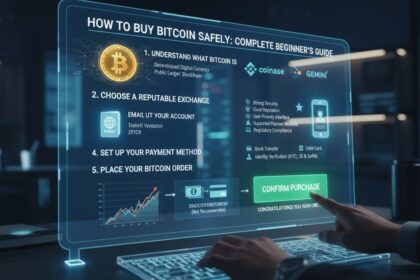

Buying Bitcoin has evolved from a niche tech activity into a mainstream financial endeavor, with over 46 million Americans—approximately 22% of the adult population—owning cryptocurrency as of 2024. However, the process remains intimidating for newcomers, and the landscape includes legitimate platforms alongside scams, security vulnerabilities, and common user errors that have cost investors billions. This guide provides a comprehensive, step-by-step approach to purchasing Bitcoin securely in the United States, covering everything from selecting reputable exchanges to implementing proper storage solutions that protect your investment from theft, loss, and common pitfalls.
Understanding the fundamentals before making your first purchase dramatically reduces risk and builds confidence. The methods outlined here reflect current best practices recommended by regulatory bodies, cybersecurity experts, and experienced cryptocurrency investors who have navigated the space since its early days.
Why Bitcoin Security Matters More Than Ever
The cryptocurrency ecosystem has grown substantially, but so have the threats targeting investors. The Federal Trade Commission reported that cryptocurrency investment scams alone conned Americans out of more than $1 billion in 2023, with the average victim losing approximately $2,600. These numbers represent only reported incidents—actual losses likely far exceed official figures.
Bitcoin's architecture provides exceptional security at the protocol level. The blockchain has never been successfully hacked in its 15-year history, and the mathematical principles underlying the network remain unbroken. However, the tools and services built around Bitcoin—exchanges, wallets, and third-party platforms—represent the primary attack vectors for criminals. This distinction matters: Bitcoin itself is secure, but the processes surrounding buying, storing, and selling it require careful attention.
The consequences of poor security practices extend beyond theft. Lost private keys, forgotten passwords, and incompatible wallet formats have permanently destroyed an estimated 3-7 million Bitcoin (worth billions at current prices), according to Chainalysis research. Unlike traditional bank accounts with fraud protection, cryptocurrency transactions are irreversible, making prevention the only defense.
Understanding Bitcoin Wallets: The Foundation of Security
Before purchasing Bitcoin, you need somewhere to store it. A Bitcoin wallet doesn't actually hold coins—it stores the private keys that authorize transactions on the blockchain. Understanding wallet types is crucial because your storage choice directly impacts security.
Hot Wallets vs. Cold Wallets
Hot wallets connect to the internet and include mobile apps, desktop software, and exchange-hosted wallets. They offer convenience for frequent trading but remain vulnerable to online attacks. Major exchanges like Coinbase and Kraken provide hot wallet functionality, and these services have invested heavily in security infrastructure, including cold storage for the majority of customer funds.
Cold wallets remain offline and include hardware devices and paper wallets. Hardware wallets like Ledger and Trezor devices cost $50-200 and store private keys on dedicated hardware that never connects to the internet except during transactions. Cold wallets represent the gold standard for long-term Bitcoin storage because they resist remote hacking attempts entirely.
| Wallet Type | Security Level | Convenience | Best For |
|---|---|---|---|
| Hardware Wallet | Very High | Medium | Long-term holdings, large amounts |
| Mobile Wallet | Medium-High | High | Small amounts, daily spending |
| Desktop Wallet | Medium | Medium | Medium-term storage, some trading |
| Exchange Wallet | Medium | Very High | Active trading, beginners |
| Paper Wallet | High | Low | Long-term storage (advanced users) |
For beginners, a common safe approach involves using an established exchange for purchasing while immediately transferring significant holdings to a personal hardware wallet. This strategy combines the ease of exchange purchases with the security of self-custody.
Private Keys and Recovery Phrases
Every Bitcoin wallet generates a recovery phrase (typically 12 or 24 words) that serves as a master key to your funds. This phrase can reconstruct your wallet on any compatible device, which means anyone who obtains it controls your Bitcoin. Write your recovery phrase on paper—never digitally—and store it in a secure location, ideally a safe or lockbox. Multiple physical copies in separate secure locations provide redundancy against fire, theft, or loss.
Never share your recovery phrase with anyone. No legitimate service, exchange, or support representative will ever ask for it. This single rule prevents the majority of cryptocurrency thefts.
Choosing a Reputable Bitcoin Exchange
The US cryptocurrency exchange landscape has matured significantly following increased regulatory scrutiny. Several platforms have established strong security track records and regulatory compliance, making them suitable for beginners.
Major US-Based Exchanges
Coinbase remains the largest US-based exchange by trading volume, serving over 110 million users globally. The platform went public on NASDAQ in 2021, adding regulatory transparency. Coinbase holds the majority of customer funds in cold storage, maintains insurance coverage for hot wallet funds, and offers biometric authentication. However, fees run higher than some competitors, particularly for smaller transactions.
Kraken distinguishes itself through strong security practices (never hacked), competitive fee structures, and extensive cryptocurrency selection. The exchange has operated since 2011, survived multiple market cycles, and maintains transparent reserve proofs. Kraken offers both beginner-friendly and advanced trading interfaces.
Gemini was founded in 2014 by the Winklevoss twins and emphasizes regulatory compliance, holding charters in all 50 states. The platform offers insurance coverage for digital assets and has maintained a clean security record.
What to Look for in an Exchange
When evaluating platforms, prioritize these security features: two-factor authentication (preferably hardware key-based rather than SMS), cold storage policies, proof-of-reserves verification, regulatory compliance in the US, insurance coverage for customer funds, and transparent fee structures. Avoid exchanges that lack clear security documentation or operate in regulatory gray zones.
The SEC has taken enforcement action against several platforms for offering unregistered securities, so using compliant exchanges provides legal as well as security benefits. Platforms registered as Money Services Businesses with FinCEN and operating in state-licensed capacity offer the strongest regulatory protection.
Step-by-Step Guide to Buying Bitcoin
With wallet and exchange selection complete, you're ready to make your first purchase. Follow these steps precisely to minimize risk.
Account Setup and Verification
Create your exchange account using a strong, unique password stored in a password manager. Enable two-factor authentication immediately—preferably with a hardware security key like YubiKey, though authenticator apps provide acceptable security. Complete full identity verification as required by US regulations; this process may take several days but ensures your account operates without restrictions.
Before purchasing anything, familiarize yourself with the exchange interface using small test transactions. Navigate the deposit, trading, and withdrawal functions to understand the process before committing larger amounts.
Funding Your Account
US exchanges accept multiple funding methods, each with different processing times and limits:
- Bank ACH transfer: 1-3 business days, typically higher limits, no fees
- Wire transfer: Same-day or next-day, may include $10-25 fees
- Debit card: Instant but higher fees (3-5%), lower limits
- Credit card: Generally not recommended due to cash advance fees and higher costs
For first-time buyers, ACH transfers provide the best balance of cost and convenience. Once funds clear, you're ready to purchase.
Making Your First Purchase
Navigate to the Bitcoin trading page and select a market order ( executes immediately at current price) or limit order (sets your desired price). Market orders guarantee execution but may slip slightly in volatile markets. For beginners, market orders provide simplicity.
Start with an amount you're comfortable losing. Many experts recommend beginning with $50-100 to experience the process before committing larger sums. After purchase, the Bitcoin appears in your exchange wallet—you now own Bitcoin, but your security journey has only begun.
Transferring to Personal Wallet (Critical Step)
Exchange wallets remain vulnerable to platform hacks, regulatory seizure, and platform insolvency (as demonstrated when FTX collapsed in 2022, locking billions in customer funds). For any amount you don't plan to trade within days, transfer to your personal wallet.
To transfer, enter your hardware wallet's receive address (or scan the QR code) into the exchange withdrawal interface. Always verify the address character-by-character—malware can modify copied addresses on Clipboard. Start with a small test transaction ($5-10) before transferring larger amounts to confirm the address works correctly.
Common Mistakes to Avoid
New Bitcoin buyers consistently make several avoidable errors that compromise security or result in financial loss.
Storing Bitcoin on exchanges long-term remains the most common mistake. Despite multiple exchange failures (Mt. Gox, QuadrigaCX, FTX, Celsius), customers continue leaving large holdings on exchange platforms. This practice creates counterparty risk—the exchange becomes the custodian of your keys, and you have no recourse if they fail.
Ignoring two-factor authentication enables the majority of account takeovers. SMS-based 2FA has known vulnerabilities (SIM-swapping attacks), yet many users still rely on it. Enable app-based or hardware-key 2FA immediately upon account creation.
Falling for phishing attacks continues to harvest credentials from naive users. Phishing emails mimic exchanges, wallets, or support services, directing users to fake login pages. Always navigate to exchanges directly via bookmarks, never through email links.
Investing more than you can afford to lose applies to any speculative asset, but Bitcoin's volatility makes this particularly relevant. Prices have experienced multiple 80%+ drawdowns while eventually recovering to new highs—but the interim periods test investor resolve.
Storing Bitcoin Long-Term: Advanced Security
Once you've purchased Bitcoin and transferred it to personal custody, long-term storage requires additional considerations.
Hardware wallets remain the recommended solution for holdings over approximately $500. The initial investment ($50-200) provides protection that far exceeds the cost. Ledger and Trezor devices have established track records, though recent vulnerabilities in some Ledger models prompted security discussions across the community.
For larger portfolios ($10,000+), consider multi-signature setups requiring multiple devices or geographic locations to authorize transactions. This approach protects against single points of failure—device loss, theft, or coercion—while adding complexity that suits large holdings.
Some investors use safe deposit boxes at banks to store hardware devices or paper wallets, combining bank security with cryptocurrency self-custody. This approach works but requires understanding that bank employees cannot help recover lost keys.
Frequently Asked Questions
Is it safe to buy Bitcoin through mainstream exchanges?
Yes, buying Bitcoin through major US-regulated exchanges like Coinbase, Kraken, and Gemini is generally safe for purchasing and holding moderate amounts. These platforms implement institutional-grade security, including cold storage for most customer funds, two-factor authentication, and insurance coverage. However, for long-term holdings exceeding amounts you're comfortable losing if the exchange fails, transferring to a personal hardware wallet is recommended.
What is the safest way to store Bitcoin?
The safest method for most users involves a hardware wallet (cold storage) from manufacturers like Ledger or Trezor. These devices store private keys offline, making them immune to online attacks. Write your 12-24 word recovery phrase on paper, store it securely in multiple locations, and never share it with anyone. For very large holdings, consider multi-signature setups requiring keys stored in separate geographic locations.
Can Bitcoin be stolen from a hardware wallet?
Hardware wallets protect private keys from remote compromise, but physical theft remains possible. If someone steals your device, they cannot access funds without the PIN. However, if they also obtain your recovery phrase (perhaps through a separate compromise), they can drain the wallet. This is why separating device and recovery phrase storage is essential—never store both in the same location.
What should I do if I lose access to my Bitcoin wallet?
If you lose your hardware device but still possess your recovery phrase, you can restore access by purchasing a new device and entering the phrase. The blockchain records your holdings regardless of device status—the recovery phrase provides the mathematical keys to access them. If you've lost both the device and recovery phrase, the Bitcoin is permanently inaccessible. This permanence underscores why secure, redundant backup is critical.
Are Bitcoin ATMs safe to use?
Bitcoin ATMs offer privacy (often no ID required for small amounts) but come with significant drawbacks: fees of 7-15% or higher, potential regulatory complications, and robbery risk for large cash transactions. They're best suited for small, anonymous purchases. For regular buying, regulated exchanges offer better security and much lower costs.
How much Bitcoin should a beginner buy?
Start with an amount you're comfortable losing entirely—many experts suggest $50-100 for your first purchase to experience the process without substantial risk. As you learn more about storage, security, and your own risk tolerance, you can increase holdings. Never invest money you need for essential expenses, and consider dollar-cost averaging (buying fixed amounts regularly) to smooth out volatility.
Conclusion
Buying Bitcoin safely requires understanding that security operates across multiple layers. The Bitcoin network itself is extraordinarily secure, but the human systems surrounding it—exchanges, wallets, and personal practices—require deliberate attention. By selecting regulated exchanges, enabling strong authentication, using hardware wallets for significant holdings, and protecting recovery phrases rigorously, you can participate in Bitcoin's potential while minimizing unnecessary risk.
The learning curve is worthwhile. Bitcoin has transformed from an experimental technology into a recognized asset class with institutional adoption, regulatory clarity, and infrastructure improvements that make 2024 a substantially safer environment for new participants than previous eras. Start small, prioritize security fundamentals, and expand as your understanding and confidence grow.