


Société Générale, commonly known as Soc Gen, stands tall as one of Europe’s leading financial institutions. For investors and analysts, the Soc Gen share price offers a barometer—not just for the bank's health, but for wider European banking sentiment. In a climate defined by economic uncertainty, regulatory change, and digital disruption, tracking Soc Gen’s stock movements provides valuable insights, both for seasoned stakeholders and newcomers to global finance.
Soc Gen at a Glance: Company Profile and Market Position
Founded in 1864, Société Générale has grown into a pivotal player on the Euronext Paris exchange, with a diversified portfolio spanning retail banking, corporate finance, and investment services. As of recent years, Soc Gen has focused sharply on strategic transformation—streamlining operations, undertaking digital upgrades, and recalibrating its risk exposure.
Soc Gen’s share price is, therefore, shaped by a blend of internal transformations and external pressures. For example, periods of market volatility, such as those during the Eurozone debt crisis and pandemic downturns, have highlighted the bank’s strengths and vulnerabilities. Alongside financial metrics, market perception regarding Soc Gen’s innovation, governance, and adaptability drives the direction of its stock performance.
Key Drivers of Soc Gen Share Price Performance
Financial Results and Earnings Outlook
Soc Gen’s quarterly and annual results serve as the primary catalyst for share price movements. Profitability, measured through metrics like net income and return on equity (ROE), often dictates market sentiment. Notably, the bank’s performance in core areas such as French retail banking, international operations, and global markets division can trigger significant price swings.
Underperformance relative to sector peers or consensus estimates usually exerts downward pressure, while outperforming expectations can buoy investor confidence. For instance, when Soc Gen reported robust cost-cutting achievements and resilient trading revenues in a challenging macroeconomic backdrop, the share price saw a temporary recovery.
Regulatory and Economic Environment
As a major European bank, Soc Gen operates under tight regulatory oversight—most recently the Basel III framework and ECB stress testing. Shifts in policy, interest rates, or capital reserve requirements can have an outsized impact on stock valuation.
Broader economic factors, such as eurozone GDP growth, inflation rates, and geopolitical risks, also tie closely to the bank’s prospects. A downturn in European consumer spending or new financial regulations can constrict lending margins, which may be quickly reflected in daily share price fluctuations.
“Bank share prices, including Soc Gen, serve as a real-time referendum on both institutional strengths and the outlook for Europe’s financial sector. Rapid regulatory and macroeconomic shifts introduce volatility—but also opportunity,” notes a senior Paris-based equities analyst.
Market Sentiment and News Flow
Beyond hard numbers, market sentiment exerts a powerful influence on Soc Gen’s stock. Headlines around management changes, legal issues, or strategic deals—such as divestitures or fintech partnerships—can prompt immediate reactions on the trading floor.
For example, when Société Générale announced a significant restructuring plan in recent years, investors reacted both to the potential for future growth and the near-term uncertainty such changes can bring. This type of volatility often attracts short-term traders, further amplifying share price movements.
Soc Gen Share Price Chart Analysis: Patterns and Insights
Candlestick Trends and Technical Levels
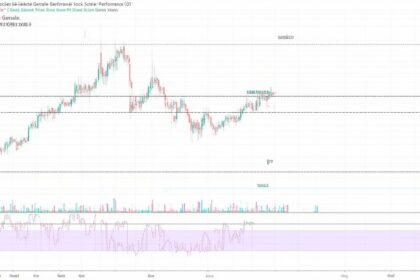
A review of Soc Gen’s historical share price chart reveals how the stock responds to technical support and resistance levels. Periods of consolidation, where the price stabilizes within a range, often precede breakouts that accompany major financial announcements or changes in market mood.
Technical indicators such as moving averages, Relative Strength Index (RSI), and trading volume spikes regularly feature in short- and medium-term analysis. Many investors look for patterns—like head-and-shoulders formations or double bottoms—to gauge whether recent momentum will be sustained.
Recent Performance Snapshots
In practice, Soc Gen’s share price has mirrored the wider movements of the Stoxx Europe 600 Banks index, albeit with periods of market-specific divergence. For example, during European banking sector downturns, Soc Gen has occasionally shown resilience due to diversified earnings streams or successful risk management measures.
Short-term price surges often align with external events, such as better-than-expected quarterly revenue or positive news on regulatory compliance. However, setbacks—like disappointing profitability ratios or regional economic disruptions—can rapidly erase gains.
The Bigger Picture: Peer Comparisons and Strategic Initiatives
Société Générale vs. European Banking Peers
Soc Gen’s performance is frequently assessed against institutions such as BNP Paribas, Crédit Agricole, and Deutsche Bank. While all face similar pressures—low interest rates, mounting competition, and digitization—the nuances of each bank’s strategy shape unique share price trajectories.
Historically, Soc Gen has been seen as more exposed to international markets, which offers both growth opportunities and heightened risks. Successful repositioning in key segments, such as sustainable finance or digital services, is critical for shareholder value.
Innovation, Sustainability, and Market Confidence
Investor appetite for Soc Gen shares is increasingly influenced by non-financial factors. For instance, commitment to ESG (environmental, social, and governance) standards can enhance the bank’s long-term appeal. Concrete steps—such as exiting high-risk asset classes or setting ambitious climate goals—signal resilience and adaptability.
Major digital investments, such as partnership announcements with fintechs or expansions in digital banking, have also rallied market sentiment when strategically communicated and executed.
Concluding Thoughts: Navigating Soc Gen’s Share Price Journey
The Soc Gen share price echoes the complexity facing large European banks today: balancing legacy strengths with innovation, responding to regulatory changes, and building market confidence amid uncertainty. For investors, the task is to look beyond headline numbers—to understand how quarterly performances tie into larger strategic shifts and market narratives.
Regular monitoring of Soc Gen’s chart patterns, quarterly reports, and sector-wide developments remains essential for those looking to navigate this dynamic landscape. As banking continues to evolve, Société Générale’s share price will remain a closely watched signal of transformation and European economic health.
FAQs
What affects the Soc Gen share price the most?
Soc Gen’s share price is mainly influenced by earnings results, macroeconomic factors in Europe, regulatory news, and major strategic changes or announcements.
Where can I track Soc Gen’s share price in real time?
Soc Gen’s share price can be monitored live on financial news websites, stock market apps, and the Euronext Paris exchange under the ticker symbol GLE.
How does Soc Gen compare to other European banks?
While facing many of the same pressures as rivals like BNP Paribas or Deutsche Bank, Soc Gen distinguishes itself through its international exposure and ongoing digital transformation strategy.
Has Soc Gen’s share price been volatile recently?
Like most European banking stocks, Soc Gen has experienced fluctuations tied to market sentiment, earnings announcements, and broader economic uncertainty.
Does Soc Gen pay dividends to shareholders?
Historically, Soc Gen has paid dividends, though amounts may vary based on earnings results and regulatory considerations.
What trends should investors watch for in Soc Gen’s share price?
Investors should track financial results, regulatory updates, sector-wide digital initiatives, and Soc Gen’s progress on ESG commitments, as these areas often drive share price innovation and sentiment.
