

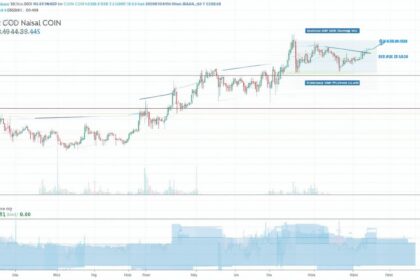

Coinbase Global Inc. (NASDAQ: COIN) is more than a cryptocurrency exchange; it stands as a bellwether for the wider crypto industry's health and regulatory resilience. Since its direct listing on the NASDAQ in April 2021, the company has witnessed historic surges and notable drawdowns, all while contending with rapid innovations, shifting regulatory winds, and volatile crypto market sentiment. Understanding COIN's stock price performance is emblematic of broader themes in digital finance—ranging from macroeconomic shifts to evolving user behavior and the global march toward mainstream digital asset adoption.
Company Snapshot: Coinbase’s Business Model and Strategic Position
Coinbase operates as both a cryptocurrency exchange and a key infrastructure provider, offering a suite of services for retail and institutional clients. Its primary revenue stream originates from transaction fees—levied on the buying, selling, and conversion of cryptocurrency assets. In recent years, the company has diversified into ancillary services such as custody, staking, and blockchain analytics, reflecting a commitment to stability beyond trading cycles.
Growth Catalysts and Competitive Landscape
The company’s ability to maintain market share hinges on:
- Trust and security within an industry often marred by breaches and fraud.
- Innovation in product offerings, including layer-2 blockchain solutions and DeFi (decentralized finance) integrations.
- Navigating U.S. regulatory developments, as ongoing scrutiny from the Securities and Exchange Commission (SEC) shapes its operational latitude.
Competitors range from global exchanges like Binance and Kraken to emerging decentralized protocols. Yet, as one of the few publicly traded crypto firms in the U.S., Coinbase’s transparency and regulatory posture give it unique exposure—but also heightened risk.
Stock Price Performance: Key Trends and Market Drivers
Since its NASDAQ debut, COIN’s share price has mirrored the volatility of the broader crypto market. Its opening price exceeded $300, only to experience steep declines during crypto downturns and subsequent rebounds amid periods of renewed optimism.
Crypto Market Correlation and Macro Volatility
COIN’s stock demonstrates a high beta with Bitcoin and Ethereum prices. When digital assets surge, Coinbase typically reports spike in trading volumes and revenue, fueling bullish sentiment on its NASDAQ listing. Conversely, “crypto winter” periods historically trigger slumps in activity and investor caution.
Earnings and Revenue Volatility
Coinbase’s quarterly results are followed closely by both Wall Street and retail investors, as transaction-driven revenue can deviate sharply from quarter to quarter. Notably, the company has taken steps to balance this cyclicality through:
- Expanding subscription/“services” income such as staking and premium analytics.
- Targeting institutional adoption and efficient capital management.
- Controlling operating expenses during bear market stretches.
"Coinbase is one of the most direct ways for public-market investors to gain exposure to the crypto economy, but this also means its share price will likely ride the same waves as the underlying digital assets," notes Jeremy Allaire, CEO of Circle.
Regulation, Risk, and Investor Sentiment
Regulatory developments in the U.S. and abroad remain the most significant risk factor influencing COIN’s stock valuation. From the SEC’s ongoing discussions over the classification of digital assets to broader questions of exchange compliance, legal clarity—or the lack thereof—holds direct earnings implications. When the SEC ramps up enforcement, COIN shares often experience heightened volatility as market participants assess the longer-term impacts on trading volumes and legal costs.
Scenario: Regulatory Action and Price Swings
For instance, in early 2023, regulatory rumors around stricter U.S. crypto oversight contributed to pronounced volatility in COIN stock—echoing broader concerns over custodian standards and compliance obligations. Institutional investors tend to react swiftly to regulatory shifts, underscoring the importance of monitoring headlines and policy speeches for real-time sentiment cues.
Fundamental Analysis: Strengths, Challenges, and Analyst Perspectives
A full evaluation of NASDAQ: COIN’s investment profile requires a look at its fundamentals, balance sheet resilience, and strategic growth levers.
Strengths
- Brand and Trust: As the largest regulated U.S. crypto exchange, Coinbase benefits from credibility among mainstream users and institutions.
- Liquidity and Scale: The platform often boasts deep liquidity, making it attractive for large trades and new coin listings.
- Tech and Security Investments: Ongoing upgrades help maintain high platform uptime and safeguard user assets, crucial in an industry rife with cyber threats.
Challenges
- Revenue Concentration: Heavy reliance on trading fees creates earnings vulnerability in down cycles.
- Regulatory Uncertainty: Ambiguity around digital asset classifications in the U.S. and abroad poses persistent risks.
- Competitive Pressures: Aggressive moves by global rivals and decentralized finance (DeFi) projects can erode margins.
Wall Street’s Mixed Signals
Analyst coverage of COIN ranges from bullish endorsements focused on long-term crypto adoption, to cautious outlooks emphasizing regulatory headwinds and market maturation risks. Most agree on the company’s potential if digital assets gain wider regulatory acceptance.
Real-World Context: Case Studies and Notable Milestones
Coinbase’s journey is punctuated by watershed moments that have left indelible marks on its public perception and stock performance:
- Direct NASDAQ Listing (April 2021): A landmark event signaling the broader financial system’s accommodation of crypto firms.
- FTX Collapse Ripple Effects (2022): Coinbase benefited from renewed attention to regulated exchanges following the demise of competitors.
- ETF-Related Volatility (2023–2024): Announcements surrounding Bitcoin and Ethereum ETFs had direct, measurable impacts on COIN’s price—reflecting the firm’s perceived role as a primary on-ramp for U.S. investors.
The Road Ahead: Opportunities and Strategic Considerations
Looking forward, Coinbase’s long-term prospects hinge on its ability to adapt swiftly as digital asset adoption evolves and global regulatory frameworks mature. Some potential growth avenues include:
- Global Expansion: Extending services beyond the U.S. to tap into emerging markets and new demographics.
- Product Innovation: Capitalizing on Web3, tokenization, and blockchain-based financial instruments.
- Operational Efficiency: Managing costs and diversifying income streams to withstand bear markets.
“For investors, the volatility in COIN shares underscores the need for a disciplined, well-informed approach to both crypto and equities exposure—paying close attention to earnings reports, industry trends, and regulatory signals,” advises Marija Zivanovic-Smith, a blockchain sector strategist.
Conclusion: A Dynamic Asset at the Intersection of Finance and Technology
Coinbase Global Inc. (NASDAQ: COIN) embodies both the promise and perils found at the convergence of traditional finance and the rapidly evolving world of digital assets. Its stock price remains tethered to the surges and setbacks of the broader crypto ecosystem—driven by adoption rates, policy environments, and market innovation. For investors and industry watchers alike, one constant persists: volatility, underscoring the imperative to stay informed, flexible, and prudent as the sector matures.
FAQs
What drives Coinbase’s (NASDAQ: COIN) stock price the most?
The share price is most influenced by cryptocurrency market cycles, trading volumes, and regulatory news. Strong crypto rallies and positive policy signals often lead to stock price gains.
How does Coinbase earn revenue besides trading fees?
Coinbase has grown non-trading revenue streams, including staking, custodial services, and premium subscriptions. This strategy helps smooth revenues in volatile markets.
Is Coinbase profitable?
Profitability fluctuates, with the company often posting profits during bullish crypto periods and potential losses during downturns. Non-trading revenues and cost management are key to long-term profitability.
What are the main risks facing COIN investors?
Regulatory uncertainty is the most significant risk, followed by competition from other exchanges and technology or security failures.
How does Coinbase compare to other crypto exchanges?
Unlike most global competitors, Coinbase is publicly listed and operates with levels of transparency and compliance required by U.S. regulators, which appeals to many institutional investors.
What should investors watch for going forward?
Key indicators include digital asset price trends, regulatory decisions, earnings releases, and announcements about new products or market entries. These factors will continue to drive sentiment and stock performance.
