

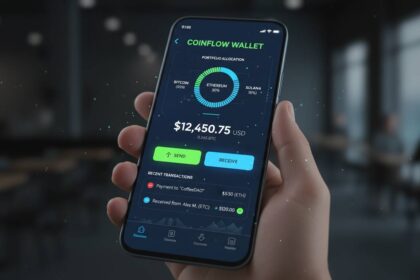

When it comes to securing cryptocurrency, the choice between a hot wallet and a cold wallet is one of the most critical decisions you'll make as an investor. A hot wallet remains connected to the internet, offering convenient access for frequent transactions but exposing your digital assets to online threats. A cold wallet, by contrast, stores your private keys offline, providing superior security at the cost of some convenience. Understanding these differences isn't optional—it's essential for protecting your holdings in an ecosystem where billions of dollars in cryptocurrency are stolen annually.
This guide breaks down exactly how hot and cold wallets function, examines their respective strengths and weaknesses, and provides a practical framework for determining which solution—or combination—best fits your trading habits and security requirements.
What Is a Hot Wallet?
A hot wallet is a cryptocurrency wallet that maintains a constant connection to the internet, enabling quick sends, receives, and trades. These wallets operate through software applications—either desktop programs, mobile apps, or browser extensions—that store your private keys on internet-connected devices. Because they're designed for accessibility, hot wallets typically integrate directly with cryptocurrency exchanges, decentralized finance (DeFi) protocols, and NFT marketplaces.
The most common examples include MetaMask, Coinbase Wallet, Trust Wallet, Exodus, and the built-in wallets provided by exchanges like Binance and Kraken. When you create a hot wallet, your private keys are encrypted and stored on your device, but because that device connects to external servers regularly, the wallet remains exposed to potential remote attacks.
Key characteristics of hot wallets:
- Internet connectivity: Always online, enabling immediate transactions
- Accessibility: Available from any device with the wallet app installed
- Integration: Built-in compatibility with exchanges and Web3 applications
- Private key storage: Keys reside on your device (software-based encryption)
- Cost: Almost always free to download and use
The primary advantage of hot wallets is convenience. If you're actively trading, making regular purchases, or interacting with DeFi protocols daily, a hot wallet eliminates the friction of manually connecting and disconnecting hardware devices. However, this convenience comes with documented security trade-offs that every crypto holder should understand.
What Is a Cold Wallet?
A cold wallet keeps your private keys completely offline, removing the attack surface that hackers exploit. Rather than storing keys on an internet-connected device, cold wallets generate and store keys in isolated environments—either specialized hardware devices or physical documents called paper wallets. When you need to sign a transaction, the process happens entirely offline, and only the resulting signature is transmitted to the network.
Hardware wallets represent the most popular cold storage solution. Leading options include Ledger devices (Nano X, Nano S Plus), Trezor models (Model T, Model One), and Ellipal wallets. These devices resemble USB drives with embedded screens and physical buttons, creating an air gap between your private keys and any computer or smartphone. Even if your connected device is compromised by malware, attackers cannot extract the keys stored on the hardware wallet.
Paper wallets involve generating a pair of cryptographic keys—typically through an offline computer—and printing them on paper. The printed document contains your public address (for receiving funds) and private key (for spending), stored in a physical location you control. While paper wallets offer maximum simplicity, they're vulnerable to physical damage, loss, and human error during key generation.
Key characteristics of cold wallets:
- Air-gapped security: Private keys never touch an internet-connected device
- Physical device or document: Hardware wallets or printed key pairs
- Transaction signing: Occurs entirely within the offline device
- Setup complexity: Requires more initial configuration than hot wallets
- Cost: Hardware wallets typically range from $50 to $300
For long-term holders seeking maximum protection, cold wallets provide peace of mind that software solutions cannot match. The inconvenience of physically accessing your device for each transaction is intentional—it's a feature that prevents hasty decisions and shields your assets from remote exploitation.
Security Comparison: What the Data Shows
The security distinction between hot and cold wallets isn't theoretical. Cryptocurrency theft statistics consistently demonstrate that hot wallets bear the overwhelming majority of attack vectors, while properly-used cold wallets have remained virtually unhacked.
According to blockchain security firm Chainalysis, approximately $3.8 billion in cryptocurrency was stolen through various attacks in 2022, with the vast majority originating from hot wallet vulnerabilities, exchange breaches, and phishing campaigns targeting online wallets. More recent data from 2023 shows continued targeting of centralized exchange hot wallets and DeFi protocol interfaces.
Security comparison at a glance:
| Factor | Hot Wallet | Cold Wallet |
|---|---|---|
| Internet exposure | Always connected | Offline storage |
| Attack surface | Remote hackers, malware, phishing | Physical theft only |
| Historical hack rate | Significant (billions stolen) | Near-zero when used correctly |
| Recovery options | Often tied to exchange account | Seed phrase recovery |
| Insurance | Some exchanges provide coverage | Self-custody (no coverage) |
Notably, no hardware wallet manufacturer has ever confirmed a successful remote attack on a properly-initialized device used according to best practices. The security model relies on cryptographic isolation—your private keys simply cannot be reached by any software, regardless of how sophisticated the attack.
However, cold wallet security isn't absolute. The biggest risk isn't sophisticated hacking—it's user error. Losing your device, misplacing your recovery seed phrase, or purchasing a compromised device from a resale marketplace can result in permanent asset loss. Security ultimately depends on how responsibly you manage the physical device and recovery information.
Convenience and Use Case Analysis
Beyond security fundamentals, practical convenience varies dramatically between wallet types, often determining which solution fits your lifestyle.
Hot wallets excel when:
You trade frequently. Active day traders需要在每次价格变动时迅速执行交易,hot wallet的即时连接使这成为可能。Hardware wallet签署每笔交易所需的物理访问会成为阻碍快速决策的障碍。
You interact with DeFi regularly. Staking, lending, borrowing, and liquidity provision require constant connection to smart contracts. Hot wallet browser extensions integrate seamlessly with platforms like Uniswap, Aave, and Compound.
You make regular crypto purchases. If you buy coffee with Bitcoin or pay contractors in crypto, the transaction speed of a hot wallet matters practically.
You test new projects. Exploring new tokens, NFT drops, or experimental protocols is far easier when your wallet remains connected and ready.
Cold wallets excel when:
You're holding long-term. If your investment thesis spans years rather than days, the inconvenience of hardware wallet access becomes a minor trade-off for substantial security gains.
You've accumulated significant assets. Once your portfolio exceeds what you're willing to lose comfortably, the math shifts decisively toward cold storage protection.
You're concerned about exchange failures. History shows Mt. Gox, Celsius, Voyager, and FTX customers lost access to billions in funds held on-platform. Cold wallets eliminate counterparty risk.
You want inheritance options. Physical hardware wallets with properly-stored seed phrases can be passed to beneficiaries with clear instructions—something more complicated with exchange-held assets.
Cost Considerations
The price difference between hot and cold wallets extends beyond the initial purchase.
Hot wallets are universally free to download and use, though some charge network fees for transactions and a percentage for in-app purchases or swaps. The real cost isn't monetary—it's the potential for loss through security breaches.
Cold wallet costs include:
- Hardware wallet purchase: $50-$300 for quality devices
- Potential replacement: If devices fail or become obsolete
- Transaction friction: Some hardware wallets have smaller screens making complex DeFi interactions cumbersome
- Time investment: Learning to use and secure the device properly
For casual crypto users with portfolios under $1,000, the cost-benefit analysis favors hot wallets. For serious investors with meaningful holdings, hardware wallets represent insurance you can actually afford to maintain.
Best Practices: Using Both
Most experienced cryptocurrency holders use a combination approach, leveraging the strengths of each wallet type while mitigating their respective weaknesses.
The common strategy involves storing the majority of your holdings in cold storage while keeping a smaller amount in a hot wallet for operational needs. Financial advisors often recommend the "cold storage for 90%" rule—keep no more than 10% of your portfolio in hot wallets or exchange accounts.
Implementation approach:
-
Cold wallet holds: Acquire a hardware wallet, initialize it following manufacturer instructions exactly, write down your seed phrase on paper (never digitally), and store it in a secure physical location (safe deposit box recommended). Transfer the bulk of your holdings here.
-
Hot wallet for operations: Download a reputable mobile or browser wallet (MetaMask, Coinbase Wallet, Trust Wallet), fund it with your 10% operational amount, and use it for trading, DeFi, and purchases.
-
Regular rebalancing: Periodically assess whether your operational amount remains appropriate given market movements. A portfolio that grew 10x might warrant reducing hot wallet exposure.
This分层 security模型同时利用了两种钱包类型的优势,同时限制了任何单一漏洞造成的损害。
Common Mistakes to Avoid
Regardless of which wallet type you choose, certain errors consistently lead to cryptocurrency loss.
Hot wallet mistakes:
- Storing large amounts in browser-based wallets
- Clicking phishing links in emails or Discord
- Failing to enable two-factor authentication on exchange accounts
- Using the same password across multiple platforms
- Not backing up exchange account credentials
Cold wallet mistakes:
- Purchasing used hardware wallets (potentially compromised)
- Storing seed phrases digitally (screenshots, cloud storage)
- Failing to verify the receive address on the device screen
- Not testing recovery before transferring large amounts
- Losing the seed phrase or forgetting where it's stored
Frequently Asked Questions
Which type of wallet is better for beginners?
Hot wallets are generally better for beginners due to their free cost and intuitive interfaces. Most people first encounter cryptocurrency through exchange-provided hot wallets, which require minimal setup. As your holdings grow and you develop longer-term investment strategies, transitioning to cold storage for the majority of your assets becomes advisable.
Can hot wallets be hacked?
Yes, hot wallets can be hacked. Since they maintain internet connectivity, vulnerabilities in the wallet software, device malware, phishing attacks, or exchange breaches can all compromise your funds. The risk scales with the amount stored and your exposure to online threats. Using reputable wallets, enabling all security features, and keeping only operational funds in hot storage significantly reduces this risk.
What happens if I lose my hardware wallet?
If you lose your hardware wallet, you can recover your funds using your seed phrase—the list of words generated during initial setup. On any compatible hardware wallet or even a software wallet, entering the same seed phrase restores access to your addresses and funds. This is why securely storing your seed phrase in a location separate from your device is absolutely critical.
Are cold wallets 100% secure?
No wallet type is 100% secure. Cold wallets protect against remote digital attacks but introduce physical security considerations. Your device could be stolen, your seed phrase could be lost or destroyed in a fire, or you could purchase a tampered device from an unauthorized reseller. Proper usage—including purchasing directly from manufacturers, verifying device integrity, and storing seed phrases securely—achieves the highest practical security.
How do I transfer crypto from a cold wallet to a hot wallet?
To transfer from cold to hot storage, you'll need your hot wallet's public address. Connect your hardware wallet to a computer, open the manufacturer app or compatible software, initiate a send transaction to your hot wallet address, confirm the details on the hardware device screen, and broadcast the transaction. The process typically takes a few minutes depending on network congestion.
Is it worth buying a cold wallet for a small portfolio?
If your portfolio is under $1,000 and you're actively trading or experimenting, a hot wallet provides sufficient security with better usability. Once your holdings grow beyond what you'd comfortably carry in cash, or if you're holding for longer time horizons, a hardware wallet becomes increasingly worthwhile. The $50-$200 investment provides insurance that becomes more valuable as your portfolio appreciates.
Conclusion
The hot wallet versus cold wallet decision ultimately reflects your priorities: convenience versus security, short-term activity versus long-term preservation, and ease of access versus reduced attack surface. Neither choice is universally superior—the optimal strategy for most cryptocurrency holders combines both, using cold storage as your security foundation while maintaining hot wallet functionality for practical operations.
Start with whatever wallet your exchange provides. As your holdings grow and your strategy evolves, gradually transition toward cold storage for the majority of your assets. Remember that the best wallet is one you'll actually use consistently—perfect security means nothing if it prevents you from accessing your funds when needed.
The cryptocurrency ecosystem continues maturing, with institutional custody solutions and regulated platforms offering middle-ground options. But the fundamental principle remains: if you control your keys, you control your crypto. Understanding the difference between hot and cold wallets is the first step toward exercising that control responsibly.