

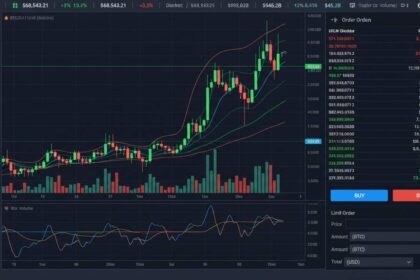

Cryptocurrency trading has transformed from a niche hobby into a global financial phenomenon, with over 420 million people worldwide actively trading or holding digital assets as of 2024. If you're looking to enter this exciting market, understanding the fundamentals, strategies, and risks is essential for success. This comprehensive guide walks you through everything you need to know to start trading crypto with confidence, from choosing the right exchange to executing your first trade and managing risk effectively.
What Is Crypto Trading?
Crypto trading involves buying and selling cryptocurrencies like Bitcoin, Ethereum, and thousands of altcoins through digital exchanges to profit from price fluctuations. Unlike traditional stock markets that operate during specific hours, crypto markets function 24 hours a day, 7 days a week, providing continuous opportunities for traders worldwide.
How Crypto Markets Work
The cryptocurrency market operates through a network of exchanges where buyers and sellers place orders. These exchanges match buy orders with sell orders, determining the current price of each cryptocurrency based on supply and demand dynamics. The market is highly volatile, with prices capable of moving significantly within minutes or hours in response to news, regulatory announcements, or market sentiment.
Key Market Participants:
• Retail Traders: Individual investors trading personal funds
• Institutional Investors: Hedge funds, family offices, and asset managers
• Miners: Those who validate blockchain transactions and sometimes sell earned coins
• Market Makers: Professional traders providing liquidity to exchanges
💡 STAT: Daily crypto trading volume exceeds $100 billion, with Bitcoin accounting for approximately 30-40% of total market activity .
Understanding how these participants interact helps you anticipate market movements and make more informed trading decisions. Prices move based on the collective actions of all market participants, creating opportunities for those who can analyze trends effectively.
Benefits of Crypto Trading
Trading cryptocurrencies offers several unique advantages that attract millions of participants globally. Understanding these benefits helps you leverage them effectively while managing associated risks.
Key Advantages
High Volatility Creates Profit Potential: Cryptocurrency prices swing dramatically compared to traditional assets. This volatility means opportunities exist to generate substantial returns on successful trades, though it also increases potential losses.
24/7 Market Access: Unlike stock markets that close daily, crypto markets never sleep. You can execute trades any time, allowing you to react to news and price movements immediately without waiting for market hours.
Lower Barrier to Entry: Many exchanges allow you to start trading with as little as $10 or $20. Fractional ownership means you can invest in expensive cryptocurrencies like Bitcoin without buying whole units.
Diverse Asset Selection: With over 10,000 cryptocurrencies available, traders can explore numerous sectors and technologies, finding opportunities in emerging projects before they gain mainstream attention.
| Benefit | Impact | Consideration |
|---|---|---|
| High Volatility | Higher profit potential | Increased risk |
| 24/7 Trading | Flexibility to trade anytime | Requires discipline |
| Low Minimums | Accessible to most investors | Start small |
| Many Options | Diverse opportunities | Research required |
📈 CASE: An investor who allocated $1,000 to Bitcoin in 2013 would have seen their investment grow to over $60,000 by 2021, demonstrating the significant long-term potential of crypto assets.
Choosing a Crypto Exchange
Selecting the right exchange is one of your most important decisions as a crypto trader. The exchange you choose affects your trading fees, available assets, security, and overall experience.
Major Exchange Options
Coinbase
✅ Pros: User-friendly interface, high security, regulatory compliance, insured holdings
❌ Cons: Higher trading fees (1.49% - 3.99%), limited advanced features
💰 Price: Free to join, trading fees 1.49% - 3.99%
🎯 For: Complete beginners wanting a trusted platform
Binance
✅ Pros: Lowest fees (0.1% - 0.6%), massive coin selection (350+), advanced trading features
❌ Cons: Complex interface for beginners, regulatory scrutiny in some regions
💰 Price: Free to join, trading fees 0.1% - 0.6%
🎯 For: Intermediate traders seeking low fees and variety
Kraken
✅ Pros: Strong security, good for advanced trading, staking options, regulatory compliant
❌ Cons: Slightly higher fees than some competitors, interface can overwhelm beginners
💰 Price: Free to join, trading fees 0.16% - 0.26%
🎯 For: Security-focused traders wanting advanced features
| Exchange | Best For | Fees | Coins | Rating |
|---|---|---|---|---|
| Coinbase | Beginners | 1.49-3.99% | 200+ | ⭐⭐⭐⭐ |
| Binance | Low costs | 0.1-0.6% | 350+ | ⭐⭐⭐⭐⭐ |
| Kraken | Security | 0.16-0.26% | 200+ | ⭐⭐⭐⭐ |
| Gemini | Regulation | 0.35-1.49% | 100+ | ⭐⭐⭐⭐ |
Top Picks:
• Coinbase: Best overall for beginners due to ease of use and regulatory compliance
• Binance: Best for cost-conscious traders who want access to many cryptocurrencies
• Kraken: Best for security-conscious traders seeking advanced trading tools
How to Start Trading Crypto
Ready to begin your crypto trading journey? Follow this step-by-step guide to set up your accounts, fund them, and execute your first trades.
Prerequisites
- [ ] Government-issued ID for identity verification
- [ ] Bank account or debit card for funding
- [ ] Secure email address with two-factor authentication
- [ ] Understanding of basic trading concepts
- [ ] Risk capital you can afford to lose
Time: 1-2 hours for account setup | Cost: $0 - $10 minimum deposit
Steps
1. Research and Choose Your Exchange
Select an exchange based on your experience level, trading goals, and security requirements. Consider factors like fees, available cryptocurrencies, and regulatory compliance in your jurisdiction. Creating accounts on multiple exchanges can provide better price opportunities.
⏱ Time: 30 minutes | 💡 Tip: Start with Coinbase or Kraken for their strong security track records.
2. Complete Identity Verification
Most regulated exchanges require Know Your Customer (KYC) verification. This involves uploading a photo ID and sometimes proof of address. Verification can take anywhere from minutes to several days depending on the exchange and demand.
⚠️ Avoid: Rushing to unregulated exchanges that skip verification → Fix: Stick to regulated platforms like Coinbase, Kraken, or Gemini to protect your funds and personal information.
3. Secure Your Account
Enable two-factor authentication (2FA) using an authenticator app rather than SMS, as SIM-swapping attacks target SMS-based 2FA. Create a strong, unique password and consider using a hardware wallet for significant holdings.
4. Fund Your Account
Link your bank account or debit card to deposit funds. Bank transfers typically have lower fees but take 1-5 business days. Debit card deposits are instant but carry higher fees (typically 3-5%).
5. Start with a Demo or Small Amount
Before trading significant sums, practice with a small amount you can afford to lose entirely. Many exchanges offer paper trading features where you can simulate trades without real money.
6. Execute Your First Trade
Select a cryptocurrency pair (like BTC/USD), choose your order type (market for immediate execution, limit for specific price), enter your amount, and confirm the trade. Start with established coins like Bitcoin or Ethereum before exploring riskier altcoins.
Troubleshooting:
| Problem | Fix |
|---------|-----|
| Identity verification rejected | Ensure clear photo, matching name across documents |
| Deposit pending | Check bank processing times, contact support if over 5 days |
| Trade not executing | Verify you have sufficient balance and correct order type |
| Can't withdraw funds | Complete full verification, check withdrawal limits |
Common Crypto Trading Mistakes
Avoiding these frequent errors can significantly improve your trading results and protect your capital from unnecessary losses.
| Mistake | Impact | Solution |
|---|---|---|
| Investing More Than You Can Afford | 📉 Total loss potential | Only use disposable income |
| Falling for Scams | 📉 Lost funds, no recovery | Verify all URLs, never share keys |
| No Stop-Loss Orders | 📉 Uncapped losses | Always set stop-losses |
| Trading Based on FOMO | 📉 Buying at peaks | Follow a trading plan |
| Ignoring Security | 📉 Hacked accounts | Use hardware wallets, 2FA |
⚠️ CRITICAL: The biggest mistake beginners make is investing their life savings or retirement funds into crypto. Cryptocurrency remains highly speculative and volatile. Never invest money you cannot afford to lose entirely. Consider that many experienced traders lose money, and the odds are against casual investors beating the market.
Prevent: Start with no more than 5-10% of your investable assets, use reputable exchanges only, enable all security features, and never share your private keys or seed phrases with anyone.
Essential Trading Strategies
Understanding different trading approaches helps you develop a method that matches your risk tolerance and time availability.
Day Trading
Day trading involves executing multiple trades within a single day, profiting from small price movements. This strategy requires significant time, technical analysis skills, and emotional discipline. Most day traders lose money due to transaction costs and emotional decision-making.
Swing Trading
Swing trading captures medium-term price movements over days to weeks. This approach requires less time than day trading and allows for more thoughtful analysis. Swing traders use technical indicators and chart patterns to identify entry and exit points.
Dollar-Cost Averaging (DCA)
DCA involves investing a fixed amount at regular intervals regardless of price. This strategy reduces the impact of volatility by spreading purchases over time. Research from Vanguard indicates that DCA outperforms lump-sum investing in volatile markets approximately 67% of the time.
HODLing
HODL (Hold On for Dear Life) involves buying cryptocurrency and holding for extended periods, often years. This strategy benefits from long-term crypto market growth but requires patience and tolerance for significant drawdowns.
Tools Every Crypto Trader Needs
Having the right tools improves your trading decisions and efficiency.
| Tool | Cost | For | Rating |
|---|---|---|---|
| CoinGecko | Free | Price tracking, market data | ⭐⭐⭐⭐⭐ |
| TradingView | Free/$25 | Technical analysis | ⭐⭐⭐⭐⭐ |
| CoinMarketCap | Free | Market cap, rankings | ⭐⭐⭐⭐ |
| Delta | Free | Portfolio tracking | ⭐⭐⭐⭐ |
| Ledger | $79+ | Hardware security | ⭐⭐⭐⭐⭐ |
Top Picks:
• CoinGecko: Best free option for comprehensive price and market data across exchanges
• TradingView: Industry-standard charting and technical analysis platform used by professionals
• Ledger: Best hardware wallet for securing significant crypto holdings offline
Frequently Asked Questions
How much money do I need to start trading crypto?
You can start trading with as little as $10 on most exchanges. Some platforms allow fractional purchases, meaning you don't need to buy whole Bitcoin (which costs tens of thousands of dollars). Start with an amount you can afford to lose entirely.
Is crypto trading legal in the United States?
Yes, crypto trading is legal in the United States. However, exchanges must comply with federal and state regulations, including registering with FinCEN and complying with SEC or CFTC oversight depending on the securities classification. Use regulated exchanges like Coinbase, Kraken, or Gemini.
Can you lose all your money trading crypto?
Yes, you can lose your entire investment trading cryptocurrency. Prices are extremely volatile, and many cryptocurrencies have become worthless over time. Never invest more than you can afford to lose, and consider using stop-loss orders to limit downside risk.
What's the difference between trading and investing in crypto?
Trading involves frequent buying and selling to profit from short-term price movements, typically requiring active time and technical analysis. Investing involves buying and holding for long-term appreciation, requiring less active management but more patience to weather volatility.
How do taxes work on crypto trading in the US?
The IRS treats cryptocurrency as property, meaning capital gains taxes apply when you sell for a profit. Trading crypto generates taxable events. Keep detailed records of all transactions, cost basis, and gains/losses. Consult a tax professional for specific advice.
Which cryptocurrency should I buy first as a beginner?
Bitcoin (BTC) and Ethereum (ETH) are recommended for beginners due to their established track records, high liquidity, and widespread acceptance. These cryptocurrencies have survived multiple market cycles and have the largest user bases and development communities.
Conclusion
Crypto trading offers genuine opportunities for profit in one of the most dynamic markets available today. Success requires education, discipline, and realistic expectations about both potential returns and risks. Start by choosing a reputable exchange, funding your account with money you can afford to lose, and beginning with established cryptocurrencies like Bitcoin and Ethereum. Never stop learning, always use strong security practices, and remember that sustainable trading success comes from consistent risk management rather than chasing quick profits. The crypto market will continue evolving—stay informed, stay cautious, and trade smart.