

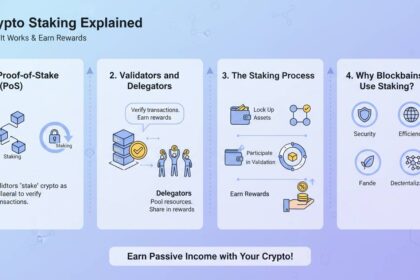

Cryptocurrency continues to reshape the financial landscape, offering innovative ways for investors to grow their digital assets. Among the most prominent mechanisms gaining traction is crypto staking, a process that allows holders of certain cryptocurrencies to earn rewards while supporting network operations. As the crypto market matures, understanding staking has become essential for both novice investors and seasoned traders seeking to maximize their returns. This comprehensive guide explores what crypto staking is, how it functions, and what investors need to know before participating in this growing sector of the digital economy.
Understanding the Basics of Crypto Staking
Crypto staking involves locking up a certain amount of cryptocurrency in a blockchain network to support its operations, such as validating transactions and maintaining security. This process is fundamental to cryptocurrencies that utilize a Proof of Stake (PoS) consensus mechanism, which serves as an energy-efficient alternative to the traditional Proof of Work (PoW) system employed by Bitcoin.
In a Proof of Stake system, network participants known as validators stake their coins as collateral to propose and validate new blocks of transactions. The blockchain randomly selects validators based on the amount they have staked and other factors like coin age, ensuring that those with more skin in the game have a higher probability of being chosen to validate transactions. This mechanism replaces the energy-intensive mining process used by Bitcoin, where powerful computers compete to solve complex mathematical puzzles.
The concept emerged as a response to the environmental concerns surrounding cryptocurrency mining, which consumes significant amounts of electricity. PoS networks require far less energy to function, making them more environmentally sustainable while maintaining security and decentralization. Major cryptocurrencies including Ethereum, Cardano, Solana, and Polkadot have adopted or are built upon PoS consensus mechanisms, making staking relevant to a substantial portion of the overall crypto market.
When validators successfully confirm transactions and create new blocks, they receive staking rewards typically paid in the native cryptocurrency of the network. These rewards serve as an incentive for participants to act honestly, as validators who attempt to compromise the network risk losing their staked funds through a process called slashing.
How the Staking Process Works
The technical implementation of staking varies somewhat between different blockchain networks, but the fundamental process remains consistent across platforms. Investors who wish to stake their cryptocurrency must first acquire tokens that support the PoS mechanism and then transfer them to a staking-compatible wallet or platform.
Once the tokens are locked in the network, they become part of the staking pool. The blockchain protocol automatically selects validators to propose new blocks based on a randomized algorithm that considers the total amount staked and the duration the coins have been locked. This selection process ensures that no single entity can control the network through sheer computational power.
Validators who are selected to create a new block receive transaction fees and sometimes newly minted coins as compensation. In many networks, these rewards are distributed proportionally among all participants in a staking pool, meaning even those who do not personally validate transactions can earn a share of the rewards by contributing their coins to the pool.
The lock-up period represents a crucial consideration for investors. Most staking arrangements require tokens to remain locked for a specified duration, ranging from several days to weeks or months. During this period, investors cannot sell or transfer their staked tokens without incurring penalties or forfeiting pending rewards. Some networks offer flexible staking options that allow for withdrawal at any time, though these typically come with lower reward rates.
Types of Staking Arrangements
The crypto ecosystem offers multiple approaches to staking, each with distinct advantages and trade-offs. Understanding these options helps investors choose the arrangement that best aligns with their investment goals and risk tolerance.
Direct staking involves running a validation node personally, which requires substantial technical expertise and a significant capital investment.Validators must typically stake minimum amounts that can range from hundreds to thousands of dollars in the native cryptocurrency, in addition to maintaining reliable internet connectivity and hardware infrastructure. This approach offers the highest potential returns but demands the most involvement and carries the greatest responsibility.
Staking pools represent the most accessible option for average investors. These pools aggregate the stakes of multiple participants, combining their resources to increase the probability of being selected as validators. Pool operators manage the technical aspects of validation and distribute rewards proportionally among pool members after deducting a fee for their services. This arrangement lowers the barrier to entry significantly, allowing investors to participate with much smaller amounts of capital.
Exchange-based staking provides the simplest entry point for those new to the space. Major cryptocurrency exchanges offer staking services where users can stake directly through their existing accounts. The exchange handles all technical requirements and typically offers instant liquidity, though convenience comes with slightly reduced returns compared to direct participation. Investors should carefully evaluate the fees and terms associated with exchange staking services.
Delegated staking allows token holders to delegate their stake to specific validators without actually transferring ownership of their coins. This approach gives investors more control over which validators support while maintaining custody of their assets. Many PoS networks implement this model natively, enabling users to switch delegates if performance becomes unsatisfactory.
Financial Considerations and Potential Returns
Staking rewards vary significantly across different cryptocurrencies and depend on multiple factors including network inflation rates, transaction fee volumes, and overall participation rates. Generally, networks with higher inflation and fewer stakers tend to offer more attractive reward rates, though these conditions can change as more participants join the ecosystem.
Annual percentage yields for staking range from approximately 3% to 15% or higher for certain tokens. Ethereum, the second-largest cryptocurrency by market capitalization, offers staking yields in the range of 4% to 6% annually following its transition to PoS. Smaller networks with fewer participants may offer substantially higher yields to attract more validators, though these often come with greater risk and volatility.
Investors must account for several costs when calculating net returns. Validator nodes require ongoing expenses including electricity, internet service, and potentially server hosting costs. Staking pool operators typically charge fees ranging from 1% to 10% of earned rewards. Additionally, some networks impose penalties for early withdrawal or node downtime, which can impact overall profitability.
Tax implications represent another important consideration. In the United States, the Internal Revenue Service treats staking rewards as taxable income at their fair market value when received. Capital gains taxes may also apply when staked tokens are eventually sold, requiring careful record-keeping throughout the investment period.
Risks and Challenges Involved
While staking offers attractive income-generating opportunities, participants must understand the inherent risks involved in this investment strategy. Market volatility remains the primary concern, as the value of staked tokens can fluctuate significantly. Unlike traditional fixed-income investments, staking returns are denominated in volatile cryptocurrencies whose market prices can decline substantially.
Lock-up periods present liquidity risks that investors must carefully consider. During periods of market stress, the inability to quickly sell staked tokens can result in missed opportunities or inability to meet financial obligations. Some networks have introduced liquid staking tokens that represent staked assets and can be traded or used in decentralized finance applications, partially addressing this concern.
Technical risks include the potential for slashing, where validators lose a portion of their staked funds due to downtime, double-signing, or other protocol violations. While individual stakers in pools face minimal slashing risk since operators manage the validation process, pool participants may still be affected if operator negligence results in penalties.
Network governance decisions can also impact staking returns. Protocol upgrades may change reward distributions, inflation rates, or minimum staking requirements, potentially affecting the attractiveness of particular staking opportunities. Investors should stay informed about developments in the networks where they stake their assets.
The Future of Crypto Staking
The staking ecosystem continues evolving rapidly as major blockchain networks transition away from energy-intensive mining. Ethereum's successful "Merge" upgrade in September 2022, which moved the network from Proof of Work to Proof of Stake, marked a pivotal moment for the industry. This transition reduced Ethereum's energy consumption by approximately 99.95%, setting a precedent for other networks to follow.
Institutional adoption of staking services has increased substantially, with major financial institutions offering custody solutions that include staking capabilities. This development brings greater legitimacy to the practice and may attract additional mainstream investment into the space. Regulatory clarity around staking remains an ongoing concern, with the Securities and Exchange Commission signaling increased scrutiny of crypto investment products.
The emergence of liquid staking protocols represents one of the most significant innovations in the space. These platforms issue synthetic tokens representing staked assets, allowing holders to maintain liquidity while earning staking rewards. This approach addresses one of the fundamental criticisms of traditional staking by enabling participants to use their staked assets in other DeFi applications.
Conclusion
Crypto staking has established itself as a fundamental component of the cryptocurrency economy, offering investors a way to earn passive income while contributing to network security and efficiency. As the industry continues maturing, staking is likely to become even more accessible and integrated with traditional financial services. Investors considering staking should carefully evaluate their risk tolerance, investment timeline, and the specific technical requirements of each network. While staking presents opportunities for consistent returns, the volatile nature of cryptocurrency markets means that participants should approach this strategy with realistic expectations and thorough research.
Frequently Asked Questions
What is the minimum amount needed to start crypto staking?
The minimum amount varies significantly depending on the cryptocurrency and staking method chosen. Some networks allow staking with as little as a few dollars worth of tokens through staking pools, while running a personal validator node typically requires substantial amounts ranging from hundreds to thousands of dollars.
How long do my funds remain locked during staking?
Lock-up periods differ by network. Ethereum requires a minimum of approximately 4 hours before earned rewards become available, though unstaking entire holdings takes around 12-18 days. Other networks may have shorter or longer lock-up periods, and some offer flexible staking with no lock-up but lower returns.
Is crypto staking safe?
Staking is generally considered safe when conducted on reputable networks with robust security features. However, risks include market volatility, slashing penalties for validators, smart contract vulnerabilities, and the need to use trusted platforms or exchanges. Investors should conduct thorough research and consider using hardware wallets for large holdings.
Can I lose money through crypto staking?
Yes, investors can lose money if the value of the staked cryptocurrency declines significantly. Additionally, validators may face slashing penalties that reduce their staked holdings. Exchange failures or hacks also represent potential risks, emphasizing the importance of selecting reputable platforms.
Do I need technical knowledge to stake cryptocurrency?
The level of technical knowledge required depends on the staking method. Exchange-based staking and staking pools require minimal technical expertise, while running a personal validator node demands significant technical skills and ongoing maintenance. Most beginner investors can participate easily through established platforms.
How are staking rewards calculated?
Staking rewards are calculated based on the amount of cryptocurrency staked, the duration of staking, and the overall network conditions including total staked supply and inflation rate. Each blockchain protocol uses specific formulas to determine reward distribution, typically resulting in annual percentage yields that fluctuate based on network participation levels.