


The cryptocurrency industry lost approximately $1.8 billion to hacks and fraud in 2023 alone, with individual investors often bearing the brunt of these losses. If you're holding any amount of digital currency—whether it's Bitcoin, Ethereum, or altcoins—understanding how to store cryptocurrency safely isn't optional; it's essential. Unlike traditional bank accounts protected by federal insurance, your crypto assets exist in a decentralized system where you are your own bank. That means complete security responsibility falls on your shoulders.
This guide walks you through every critical aspect of cryptocurrency storage, from understanding the fundamental difference between hot and cold wallets to implementing advanced security protocols that protect your holdings from both digital threats and human error. Whether you're a newcomer with your first purchase or an experienced trader managing a diverse portfolio, the strategies here will help you sleep better at night while keeping your digital wealth secure.
Understanding Cryptocurrency Storage Fundamentals
Before diving into specific storage methods, you need to understand what cryptocurrency storage actually means. When you "hold" cryptocurrency, you're not storing files on your computer or keeping physical coins in a vault. Instead, you control private keys—cryptographic strings of numbers and letters that prove ownership of your funds and authorize transactions on the blockchain.
Your public address functions like a bank account number that others can see and use to send you funds. Your private key functions like the password and signature combined—a credential that, if exposed, allows anyone to transfer your funds anywhere. This distinction shapes every security decision you'll make regarding cryptocurrency storage.
The blockchain records are immutable and distributed across thousands of nodes worldwide, but your access to those records depends entirely on protecting your private keys. Lose those keys, and your cryptocurrency becomes inaccessible forever. Someone steals those keys, and your funds transfer to their wallet instantaneously with no recourse for reversal. This is why storage security focuses entirely on private key protection.
Hot Wallets vs Cold Wallets: Understanding the Difference
Hot Wallets: Convenience with Trade-offs
Hot wallets are cryptocurrency storage solutions connected to the internet. These include exchange-hosted wallets, mobile apps, browser extensions, and desktop software that maintains a constant connection to blockchain networks. The primary advantage of hot wallets is accessibility—you can send and receive funds quickly, which matters if you're actively trading or making frequent transactions.
Most beginners start with hot wallets provided by exchanges like Coinbase, Binance, or Kraken. These platforms handle the technical complexity of key management, letting users log in with traditional credentials. However, this convenience comes with significant risks. Exchange hot wallets represent prime targets for hackers—when major exchanges get breached, millions of dollars in user funds can vanish within minutes.
Mobile wallet apps like Trust Wallet, MetaMask, or Coinbase Wallet offer more control than exchange wallets while maintaining convenience. These wallets store your private keys locally on your device, encrypted and protected by your device's security measures. Still, any internet-connected device remains vulnerable to malware, phishing attacks, and remote exploits.
Industry data suggests that hot wallet breaches account for roughly 80% of all cryptocurrency thefts. This doesn't mean you should avoid hot wallets entirely—they serve legitimate purposes for holding smaller amounts you need accessible for daily use. The key is understanding the risk and never storing more than you're willing to lose in hot storage.
Cold Wallets: Maximum Security Through Disconnection
Cold wallets keep your private keys completely offline, disconnected from the internet until you intentionally connect them to sign a transaction. This air-gapped approach dramatically reduces the attack surface available to hackers. Even if someone gains remote access to your computer, they cannot reach keys that physically don't exist on any networked device.
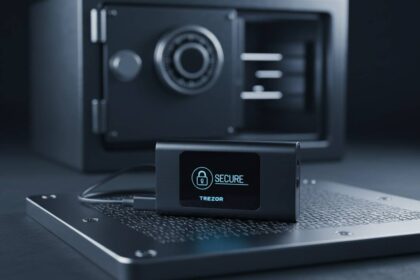
Hardware wallets represent the most popular cold storage solution for individual investors. These are specialized physical devices—typically small USB-style gadgets with screens and buttons—that generate and store private keys internally. When you need to make a transaction, you connect the hardware wallet to your computer, approve the transaction on the device's physical buttons, and the device signs the transaction without ever exposing your private keys to the connected computer.
Ledger and Trezor dominate the hardware wallet market. Ledger devices use a custom secure element chip designed to resist physical and software attacks. Trezor devices prioritize open-source transparency, allowing security researchers to audit the entire codebase. Both manufacturers have strong track records, though no security solution is absolutely impenetrable.
Paper wallets represent the most basic cold storage method—you literally write or print your private keys on paper, then store that paper in a secure physical location. While immune to digital hacking, paper wallets introduce other risks: physical damage, loss, or destruction. Most experts recommend hardware wallets over paper wallets for anyone holding significant cryptocurrency value.
Implementing Multi-Layer Security for Your Crypto
Layer 1: Strong Authentication everywhere
Every account holding your cryptocurrency—exchange accounts, wallet apps, email addresses linked to those accounts—requires strong, unique authentication. This means enabling two-factor authentication (2FA) on every service that supports it, but choosing your 2FA method carefully.
SMS-based 2FA, where codes arrive via text message, has become notoriously vulnerable to SIM-swapping attacks. Attackers social-engineer your mobile carrier into transferring your phone number to their device, then intercept 2FA codes and drain accounts. Hardware security keys like YubiKey provide the strongest 2FA protection, requiring physical possession of the key to authenticate. Authenticator apps like Google Authenticator or Authy generate time-based codes locally on your device, avoiding SMS vulnerabilities while remaining more accessible than hardware keys.
Never reuse passwords across cryptocurrency services. If one service suffers a data breach and your password gets exposed, attackers will try that same password combination on other exchanges and wallets. Use a reputable password manager to generate and store unique, complex passwords for every service.
Layer 2: Wallet Diversification Strategy
Don't concentrate all your cryptocurrency holdings in a single wallet or service. Divide your holdings across multiple storage solutions based on how frequently you need to access them. A common framework separates funds into three tiers:
Trading funds (5-10% of holdings): Keep only what you need for immediate trades in hot wallets. This amount should represent money you'd be comfortable losing if that particular service gets compromised.
Medium-term reserves (20-30% of holdings): Store in hardware wallets you can access within a day or two if needed. These cover situations requiring quick liquidation while maintaining stronger security than hot storage.
Long-term holdings (60-70% of holdings): Move to cold storage solutions you'll rarely, if ever, access. Consider splitting these holdings across multiple hardware wallets stored in separate physical locations. This protects against both digital theft and physical loss or damage to a single location.
Layer 3: Backup and Recovery Planning
Hardware wallets provide seed phrases—typically 12 or 24 words generated using standard BIP39 protocols—that can recover your funds if the device gets lost or damaged. This seed phrase essentially becomes another form of your private key, so protecting it is paramount.
Write your seed phrase on paper—multiple copies, ideally, stored in different secure locations. Steel backup devices like Cryptosteel or Ledger's Blade provide fire-resistant, disaster-proof storage for seed phrases. Never store digital copies of seed phrases, never take photos of them, and never share them with anyone, no how legitimate the request appears.
Create a written inventory of all your cryptocurrency holdings, including which wallets contain what assets and the approximate value. Store this document securely—encrypted on a password-protected USB drive or in a safe deposit box. This documentation becomes critical for your heirs or emergency contacts if something happens to you.
Step-by-Step: Setting Up Secure Cold Storage
Hardware Wallet Setup
Purchasing a hardware wallet requires careful attention to supply chain security. Buy directly from the manufacturer or authorized resellers. Avoid secondary marketplaces like eBay or Amazon (unless fulfilled directly by the manufacturer), where tampered devices have occasionally surfaced.
When your device arrives, verify the packaging hasn't been opened—manufacturers include security seals for this reason. Initialize the device yourself, following manufacturer instructions precisely. Never use a device that arrives pre-configured or that someone else claims to have set up for you.
During initial setup, the device generates your seed phrase offline. Write each word in order, double-checking spellings against the manufacturer's wordlist. Complete the device's verification prompts to confirm you've recorded everything correctly. This verification process is mandatory for a reason—it's your only chance to confirm backup accuracy before any funds transfer.
After setup, update the device's firmware to the latest version if an update is available. Manufacturers regularly release security patches, and installing these protects against newly discovered vulnerabilities.
Transferring Funds to Cold Storage
Before moving significant amounts, test the process with a small transaction first. Send a tiny amount to your new hardware wallet address, confirm it arrives, then practice the sending process by moving that small amount back. This test confirms you understand the transaction flow and that your backup seed phrase works correctly.
When transferring larger amounts, do so during low-traffic periods when you can focus without interruption. Triple-check the receiving address—cryptocurrency transactions are irreversible, and a single mistyped character sends funds to an unreachable address. Most hardware wallets display the full receiving address on the device screen for verification, use this feature every time.
After confirming your funds arrived, store the hardware wallet separately from your seed phrase backups. This separation ensures that someone who finds one cannot access the other.
Common Cryptocurrency Storage Mistakes to Avoid
Mistake 1: Keeping Everything on Exchanges
Newcomers often leave all cryptocurrency on exchange platforms for convenience. While exchanges have improved security over the years, they remain high-value targets. The saying "not your keys, not your crypto" exists because exchange bankruptcies and hacks have cost investors billions. If the exchange fails, freezes your account, or gets hacked, you have limited recourse.
Mistake 2: Insufficient Seed Phrase Security
Writing seed phrases on paper and leaving them in desk drawers provides minimal protection against fires, floods, or intrusions. Seed phrases stored digitally—even in password-protected files—can be compromised by malware. Steel backups and geographic distribution of paper copies matter for anyone holding substantial value.
Mistake 3: Ignoring Software Updates
Wallet software, exchange apps, and even the apps running on your computer or phone receive regular updates that often patch security vulnerabilities. Running outdated software creates unnecessary risk. Enable automatic updates where possible, and manually check for updates regularly on critical applications.
Mistake 4: Falling for Phishing Attacks
Phishing attacks targeting cryptocurrency users are increasingly sophisticated. Attackers create convincing replicas of exchange login pages, send emails appearing to be from legitimate services asking you to "verify" your account, or DM you pretending to be support representatives. Always verify URLs manually, never click links in unexpected emails, and contact services directly through official websites when questions arise.
Mistake 5: Discussing Holdings Publicly
Bragging about cryptocurrency investments on social media makes you a target for social engineering, SIM-swapping attempts, and physical theft. Maintain privacy about your holdings, especially on public platforms. This advice extends to discussing specific wallet addresses or admitting you hold significant amounts in specific cryptocurrencies.
Advanced Security Considerations
Multi-Signature Requirements
For substantial holdings, consider multi-signature (multi-sig) setups requiring multiple private keys to authorize any transaction. This approach distributes authority across different devices, locations, or even different people. Services like Unchained Capital or Casa offer multi-sig solutions specifically designed for Bitcoin holders. Even if an attacker compromises one key, they cannot access funds without the additional required signatures.
Dedicated Devices
Some security experts recommend dedicating specific devices exclusively for cryptocurrency transactions. This means a computer or phone you never use for browsing, email, or installing other software—reducing the attack surface by eliminating most malware vectors. While this approach requires more discipline, it significantly reduces the risk of accidentally exposing keys through compromised software.
Monitoring and Alerts
Set up wallet monitoring services that alert you to any transactions involving your addresses. Blockchain explorers allow you to watch any public address. Services like WalletWatch or specialized exchange monitoring can notify you immediately if funds move unexpectedly, enabling faster response if something goes wrong.
Frequently Asked Questions
What is the safest way to store cryptocurrency for long-term holding?
Hardware wallets provide the best combination of security and usability for long-term cryptocurrency storage. Devices like Ledger or Trezor keep your private keys offline, protecting them from remote attacks while remaining accessible when you need to make transactions. Store your hardware wallet and seed phrase backups in separate secure locations, and only connect the device to computers when necessary.
How much cryptocurrency should I keep in a hot wallet?
General guidance suggests keeping only 5-10% of your total cryptocurrency holdings in hot wallets—and only amounts you're actively trading or need for immediate access. Hot wallets should contain only what you'd be comfortable losing if that service gets compromised. Move the majority of your holdings to cold storage.
What happens if I lose my hardware wallet?
If you lose your hardware wallet, your funds remain safe because you possess the seed phrase backup. You simply purchase a new hardware wallet, enter your seed phrase during setup, and regain access to all your funds. This is why securely storing your seed phrase is absolutely critical—without it, a lost device means permanently lost funds.
Can cryptocurrency be stolen from a hardware wallet?
While hardware wallets are extremely secure, they're not invincible. Physical theft of the device combined with discovery of the seed phrase would allow an attacker to access funds. Additionally, extremely sophisticated attackers might compromise devices during the supply chain or exploit vulnerabilities in device firmware. However, such attacks require significant resources and targeting specific high-value individuals. For typical investors, hardware wallets provide more than adequate security.
Should I use a paper wallet instead of a hardware wallet?
Paper wallets were once the standard for cold storage but have largely been replaced by hardware wallets for most users. Paper wallets are free but introduce significant risks: they can be destroyed by water or fire, lost or misplaced, and require careful technical setup to generate securely. Hardware wallets provide better security, easier backup through seed phrases, and more user-friendly interfaces for the same security level.
How do I know if my cryptocurrency has been compromised?
Monitor your addresses using blockchain explorers or dedicated monitoring services. Unexpected transactions or emptied wallets indicate compromise. If you notice suspicious activity, immediately transfer remaining funds to a new wallet with new seed phrases. Also check whether your email or other credentials linked to crypto services have been exposed in data breaches using services like HaveIBeenPwned.