

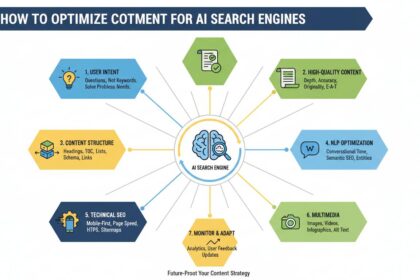

The landscape of search engine optimization has undergone a dramatic transformation in recent years as artificial intelligence becomes increasingly integrated into how users discover and consume information. With AI-powered search features now dominating major platforms, content creators and marketers must adapt their strategies to ensure visibility in this new digital environment. This comprehensive guide explores the essential techniques and best practices for optimizing content to perform effectively in AI search results, helping businesses and content creators maintain their competitive edge in an evolving technological ecosystem.
Understanding AI Search Engines
AI search engines represent a fundamental shift from traditional keyword-based algorithms to sophisticated systems that understand context, intent, and meaning. Unlike their predecessors, these modern search systems analyze content through natural language processing, machine learning, and neural networks that enable them to comprehend the actual intent behind user queries rather than simply matching exact keywords.
Major search engines have integrated AI capabilities into their core platforms, introducing features such as featured snippets, knowledge panels, and conversational search responses. These systems pull information from multiple sources to generate comprehensive answers, often presenting results directly within the search interface rather than requiring users to visit external websites. Understanding how these systems evaluate and select content has become essential for anyone seeking to maintain online visibility.
The rise of large language models has further accelerated this transformation, with search engines now capable of generating detailed, contextually relevant responses to complex questions. This evolution means that traditional SEO tactics alone are no longer sufficient; content must be structured and written in ways that align with how AI systems process and synthesize information.
Key Strategies for AI Search Optimization
Optimizing for AI search engines requires a strategic approach that combines traditional SEO fundamentals with new methodologies designed specifically for machine learning systems. The foundation of successful AI search optimization begins with creating genuinely valuable, accurate, and comprehensive content that addresses user needs effectively.
Content creators should focus on answering specific questions that their target audience is likely to ask, structuring information in a clear and logical manner that AI systems can easily parse and understand. This means organizing content with clear hierarchical structures, using descriptive headings, and providing definitive answers to common questions within each topic area.
Keyword research remains relevant but requires refinement in the AI search era. Instead of focusing solely on high-volume keywords, content creators should identify question-based queries and long-tail phrases that reflect how users naturally communicate with AI systems. These conversational queries often begin with words like "how," "what," "why," and "where," and optimizing for these patterns can significantly improve visibility in AI-generated search results.
Structured Data and Schema Markup
Implementing structured data markup helps AI search systems understand the context and meaning of your content more accurately. Schema.org vocabulary provides a standardized way to annotate content elements, enabling search engines to recognize specific types of information such as articles, products, reviews, FAQs, and organizational details.
Adding schema markup to your website's HTML creates explicit connections between content elements, making it easier for AI systems to extract and present information in rich search features. This technical implementation can result in enhanced visibility through rich snippets, knowledge graph inclusions, and improved chances of being selected as a source for AI-generated answers.
Common schema types that benefit AI search optimization include Article schema for blog posts and news content, FAQ schema for question-and-answer formats, HowTo schema for instructional content, and Organization schema for business information. Each schema type provides additional context that helps AI systems categorize and evaluate your content appropriately.
Content Quality and E-E-A-T Principles
Google's E-E-A-T framework—Experience, Expertise, Authoritativeness, and Trustworthiness—has become increasingly important as AI systems prioritize high-quality, reliable information. These principles guide AI search engines in evaluating content credibility, particularly for topics that could impact user health, financial stability, or safety.
Demonstrating genuine experience in your content involves incorporating first-hand observations, original research, and practical examples that only someone with direct involvement could provide. This means moving beyond simply restating information found elsewhere to offering unique insights and perspectives that add genuine value to the conversation.
Establishing expertise requires presenting information accurately and comprehensively, using proper terminology, and citing authoritative sources when appropriate. Building authoritativeness involves earning recognition from industry peers, acquiring quality backlinks, and maintaining a consistent online presence that establishes your reputation over time. Trustworthiness encompasses factors like accurate contact information, transparent business practices, and content that aligns with established scientific consensus.
Writing for AI-Generated Answers
Creating content specifically designed to be featured in AI-generated answers requires understanding how these systems synthesize information from multiple sources. AI search engines typically select content that directly addresses the user's question, presents information clearly and concisely, and demonstrates high levels of relevance and authority.
Structuring content to answer specific questions increases the likelihood of being selected as a source for AI responses. This involves identifying common questions related to your topic and addressing them explicitly within your content. Using question-based headings, providing direct answers in the opening sentences of paragraphs, and maintaining a clear question-answer format throughout the content can significantly improve AI visibility.
Paragraph length and readability play crucial roles in AI search optimization. Shorter, focused paragraphs of three to five sentences make it easier for AI systems to extract and synthesize information. Avoiding jargon when simpler alternatives exist, defining technical terms when they are necessary, and maintaining a consistent writing style all contribute to content that AI systems can process more effectively.
Lists and structured formats help AI systems organize and present information clearly. Numbered steps, bulleted points, and clearly formatted comparisons enable AI systems to extract discrete pieces of information that can be incorporated into generated responses. This structural clarity benefits both AI systems and human readers seeking quick, accessible information.
Measuring Success and Analytics
Tracking performance in AI search environments requires adapting traditional analytics approaches to account for new metrics and visibility patterns. Monitoring impressions in AI-generated features, tracking selections as sources for answers, and analyzing click-through rates from AI-enhanced search results provide insights into optimization effectiveness.
Search console data can reveal how content appears in various AI search features, including featured snippets, people also ask sections, and knowledge panel inclusions. Analyzing which queries trigger AI-generated responses and how your content performs within these features helps identify opportunities for further optimization.
Engagement metrics provide additional context for evaluating content performance in AI search contexts. Time on page, bounce rates, and conversion rates for traffic originating from AI search features indicate whether the content successfully meets user needs once they arrive at your site. This feedback loop enables continuous refinement of AI optimization strategies.
Future Trends in AI Search
The evolution of AI search continues rapidly, with emerging technologies promising further changes to how users discover and interact with information. Voice search optimization has become increasingly relevant as natural language processing capabilities improve, requiring content creators to consider how their material performs in conversational query contexts.
Multimodal AI systems that process text, images, audio, and video simultaneously are reshaping search optimization strategies. Creating content across multiple formats and ensuring these elements are properly interconnected can improve visibility in increasingly sophisticated AI search environments that draw from diverse content types.
Personalization in AI search continues to advance, with systems increasingly tailoring results based on individual user preferences, search history, and contextual factors. This evolution emphasizes the importance of creating genuinely valuable content that serves specific audience segments rather than attempting to appeal to all users with generic approaches.
Conclusion
Optimizing content for AI search engines requires a fundamental rethinking of traditional SEO strategies while maintaining core principles of quality, relevance, and user value. Success in this evolving landscape depends on creating comprehensive, well-structured content that directly addresses user needs, implementing technical elements like schema markup that help AI systems understand context, and building genuine authority through demonstrated expertise and trustworthy information.
As AI search capabilities continue to advance, staying informed about emerging best practices and adapting strategies accordingly will remain essential for maintaining visibility. The organizations and content creators who succeed will be those who prioritize genuine value for their audiences while skillfully navigating the technical requirements of AI search optimization.
Frequently Asked Questions
What is the difference between traditional SEO and AI search optimization?
Traditional SEO focuses primarily on keyword matching and backlink acquisition to improve rankings in standard search results. AI search optimization instead focuses on creating content that AI systems can easily understand, extract, and synthesize into generated answers. This involves structuring content to answer specific questions, implementing structured data, and demonstrating high levels of E-E-A-T principles that AI systems use to evaluate content quality and trustworthiness.
How important is keyword research for AI search optimization?
Keyword research remains important but requires a different approach. Rather than focusing exclusively on high-volume keywords, AI search optimization emphasizes identifying conversational and question-based queries that reflect how users interact with AI systems. Long-tail phrases, natural language queries, and question formats are particularly valuable for visibility in AI-generated search results.
Do I need technical coding skills to implement structured data for AI search?
While implementing schema markup does require some technical knowledge, many content management systems offer plugins and tools that simplify the process. Plugins like Yoast SEO for WordPress or Google's Structured Data Markup Helper can guide you through adding appropriate schema without writing code. For more complex implementations, working with a developer may be beneficial but is not strictly necessary.
How long does it take to see results from AI search optimization?
The timeline for seeing results varies depending on factors like your current search presence, content quality, competition, and how quickly search engines index and incorporate your optimized content. Generally, you may begin seeing improvements within several weeks to a few months, but building significant visibility in AI search features often requires sustained effort over longer periods.
Can I optimize existing content for AI search, or do I need to create new content?
Both approaches work effectively. Existing content can be optimized by restructuring paragraphs, adding clear question-answer formats, implementing schema markup, and improving E-E-A-T signals. Creating new content specifically designed for AI search features complements these efforts by targeting additional queries and providing fresh, authoritative material for AI systems to reference.
How does voice search factor into AI search optimization?
Voice search optimization is closely related to AI search optimization since voice assistants rely on AI to process and respond to verbal queries. Optimizing for voice search involves focusing on conversational language, question-based queries, and providing concise, direct answers. Content that performs well in AI search results generally performs well in voice search as well, making these strategies complementary rather than separate endeavors.