


The stock market represents one of the most accessible pathways to building long-term wealth, yet many Americans remain uncertain about how to begin their investment journey. With the S&P 500 delivering average annual returns of approximately 10% over the past century, understanding how to start investing in stocks has become an essential financial skill. This guide provides a comprehensive roadmap for beginners looking to enter the market with confidence and clarity.
Understanding the Basics of Stock Investing
Before diving into the mechanics of purchasing shares, beginners must grasp what stocks actually represent. When an investor purchases a stock, they acquire fractional ownership in a publicly traded company. This ownership stake, commonly referred to as equity, means the investor participates in the company's growth and, in some cases, receives dividends—periodic cash payments distributed from company profits.
The stock market operates through exchanges where buyers and sellers come together to trade shares. The New York Stock Exchange and NASDAQ serve as the primary exchanges in the United States, facilitating billions of dollars in daily transactions. Stock prices fluctuate based on various factors including company performance, economic conditions, industry trends, and investor sentiment.
Many financial experts emphasize the importance of starting with a solid educational foundation. "Understanding the fundamental relationship between risk and reward is crucial before committing any capital to the stock market," notes financial advisor Sarah Chen of Vanguard's investor education division. This foundational knowledge helps investors make informed decisions rather than emotional ones.
Why Americans Should Consider Stock Investment
The rationale for investing in stocks extends beyond potential financial returns. Historically, stocks have outperformed other major asset classes including bonds, real estate, and savings accounts over extended periods. This performance gap becomes particularly significant when accounting for inflation, which erodes the purchasing power of cash held in low-yield accounts.
Beyond growth potential, stock investing offers several distinct advantages. Dividend-paying stocks provide regular income streams, while capital appreciation opportunities allow investors to benefit from company growth. Additionally, the stock market offers unparalleled liquidity, meaning investors can typically buy or sell shares within seconds during market hours.
The tax advantages associated with certain investment accounts further enhance the appeal of stock investing. Traditional and Roth IRAs, along with employer-sponsored 401(k) plans, offer tax-deferred or tax-free growth opportunities that can significantly compound returns over time. Understanding these benefits helps investors maximize their overall financial strategy.
Opening Your First Brokerage Account
The first practical step in learning how to start investing in stocks involves opening a brokerage account. Modern brokerage firms have streamlined this process, making it possible to complete account setup entirely online within minutes. However, investors should carefully evaluate several factors before selecting a brokerage platform.
Commission structures represent a critical consideration. Many major brokers now offer zero-commission trades on U.S. listed stocks and ETFs, eliminating a traditional barrier to entry. However, investors should verify whether other fees apply, including account maintenance charges, transfer fees, or costs associated with trading complex instruments.
Account types deserve careful attention. Individual brokerage accounts provide flexibility but lack certain tax advantages. Retirement accounts like Traditional IRAs or Roth IRAs offer tax benefits but impose withdrawal restrictions. Beginners often benefit from starting with a Roth IRA, which allows tax-free growth and qualified withdrawals in retirement.
The user experience and available research tools vary significantly across platforms. Some brokers offer comprehensive educational resources, while others provide advanced trading features suitable for experienced investors. Beginners should prioritize platforms with strong educational content and intuitive interfaces.
Essential Strategies for New Investors
Successful stock investing requires more than simply purchasing shares and hoping for appreciation. Implementing proven strategies helps minimize risk while maximizing potential returns over time.
Dollar-cost averaging represents one of the most effective approaches for beginners. This strategy involves investing a fixed amount at regular intervals regardless of market conditions. By doing so, investors purchase more shares when prices are low and fewer shares when prices are high, effectively reducing the average cost per share over time. This methodical approach removes the emotional component from investing and helps build wealth systematically.
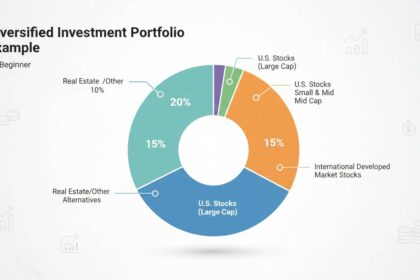
Diversification forms the cornerstone of prudent portfolio management. Rather than concentrating capital in a single company or sector, spreading investments across multiple industries and asset classes reduces the impact of poor performance in any single investment. Index funds and exchange-traded funds (ETFs) offer instant diversification, allowing investors to own hundreds of stocks through a single purchase.
Long-term perspective distinguishes successful investors from speculators. Market fluctuations create both opportunities and anxiety, but historically, patient investors who maintain their positions through market cycles have been rewarded. Attempting to time market movements rarely produces consistent results and often leads to missed recovery periods.
Common Mistakes to Avoid
Even well-intentioned investors frequently fall into predictable traps that undermine their long-term success. Recognizing these pitfalls helps newcomers avoid costly errors.
FOMO-driven investing—purchasing stocks simply because prices are rising rapidly—consistently leads to buying at market peaks. The fear of missing out overrides rational analysis, resulting in portfolios concentrated in overvalued securities. Discipline and research should always precede investment decisions.
Neglecting emergency funds before entering the market creates unnecessary financial vulnerability. Financial advisors generally recommend maintaining three to six months of living expenses in liquid savings before investing in stocks. This buffer prevents the need to liquidate investments during market downturns to cover unexpected expenses.
Ignoring expense ratios can significantly erode returns over time. Investment funds charge annual fees that compound against portfolio growth. A fund with a 1% expense ratio might seem insignificant, but over decades, this fee can reduce total returns by 15% or more compared to lower-cost alternatives.
Building Your Investment Portfolio
Creating a balanced portfolio requires thoughtful consideration of individual goals, risk tolerance, and time horizon. Young investors with decades until retirement can typically tolerate more volatility and may favor growth-oriented investments. Those approaching retirement generally prefer more conservative allocations emphasizing stability over growth.
The standard asset allocation framework suggests dividing investments among stocks, bonds, and cash equivalents based on risk tolerance. A common starting point for younger investors involves placing 90% or more in stocks, gradually shifting toward bonds as retirement approaches. However, individual circumstances vary significantly, and personalized advice from a qualified financial planner may prove valuable.
Target-date funds offer a simplified approach for those uncertain about appropriate allocations. These diversified funds automatically adjust their asset mix over time, becoming more conservative as the target retirement date approaches. This hands-off approach removes the burden of ongoing portfolio rebalancing.
Getting Started: A Practical Roadmap
Beginning investors should follow a systematic approach when entering the market. First, establish clear investment goals—whether saving for retirement, a home purchase, or general wealth building. These objectives influence strategy selection and risk tolerance.
Next, open an account with a reputable brokerage firm offering educational resources and user-friendly interfaces. Fund the account with money that won't be needed for immediate expenses. Start with small positions while learning the mechanics of trading and portfolio management.
Begin with low-cost index funds or ETFs that provide broad market exposure. This approach delivers diversification without requiring extensive individual stock analysis. As knowledge and confidence grow, investors can gradually explore individual stock selection while maintaining a core portfolio of diversified funds.
Frequently Asked Questions
What is the minimum amount needed to start investing in stocks?
Many brokerage firms now allow investors to start with very small amounts, sometimes as low as $1. Some even offer fractional shares, enabling purchases of portions of expensive stocks with limited capital. However, beginners should ensure they can afford to invest without needing the money for at least three to five years.
How long does it take to learn how to start investing in stocks?
The learning curve varies based on individual dedication and prior financial knowledge. Basic competency can be achieved within weeks of studying fundamental concepts, but successful investing is an ongoing learning process that evolves throughout an individual's lifetime.
Are stocks safer than other investment types?
Stocks carry higher volatility than bonds or cash investments, meaning prices fluctuate more dramatically in the short term. However, over longer periods, stocks have historically provided superior returns that compensate for this increased risk. The appropriate choice depends on individual risk tolerance and investment timeline.
Can I lose all my money investing in stocks?
While individual stocks can become worthless if a company fails, diversified portfolios across multiple stocks and sectors significantly reduce this risk. Even in severe market downturns, diversified portfolios typically recover over time, making complete loss unlikely for long-term investors.
Do I need to pay taxes on stock profits?
Yes, profits from selling stocks at a higher price than the purchase price—known as capital gains—generally incur taxes. However, tax-advantaged accounts like IRAs and 401(k)s allow either tax-deferred or tax-free growth depending on account type. Holding investments for more than one year qualifies for lower long-term capital gains rates.
How often should I check my investments?
Daily monitoring often leads to emotional decision-making based on short-term fluctuations. Most financial experts recommend reviewing portfolio allocations quarterly or semi-annually, focusing on long-term trends rather than daily market movements.
Investing in stocks represents a proven pathway to financial growth, but success requires knowledge, patience, and discipline. By understanding fundamental concepts, avoiding common pitfalls, and maintaining a long-term perspective, beginners can confidently navigate the stock market and work toward their financial goals. The journey of a thousand miles begins with a single step—and in investing, that step is simply getting started.