

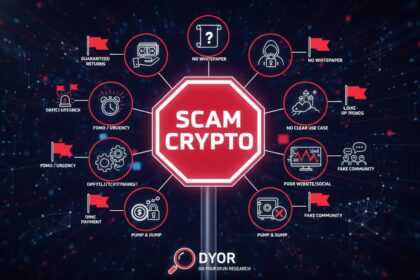

The cryptocurrency landscape has transformed finance, but it has also created unprecedented opportunities for fraud. In 2023 alone, cryptocurrency investment scams reportedly stole more than $5.6 billion from victims in the United States, according to the Federal Trade Commission. That's not just a statistic—that represents life savings wiped out, futures derailed, and families devastated. The brutal reality is that identifying a scam cryptocurrency before you invest isn't just smart; it's essential for protecting your money.
This guide provides a comprehensive framework for recognizing crypto scams, understanding their mechanics, and verifying any opportunity before committing funds. Whether you're new to cryptocurrency or an experienced trader, these detection strategies will help you navigate an ecosystem where bad actors outnumber legitimate projects.
Understanding Cryptocurrency Scams: The Landscape
A cryptocurrency scam is any fraudulent scheme involving digital assets designed to deceive investors and steal funds or personal information. These scams have evolved far beyond the crude Ponzi schemes of the early crypto era. Modern crypto fraud employs sophisticated marketing, fake partnerships, manipulated trading volumes, and psychological manipulation techniques that can fool even savvy investors.
The United States has seen a dramatic increase in crypto-related fraud reports. The FBI's Internet Crime Complaint Center received nearly 69,000 complaints related to cryptocurrency in 2023, with adjusted losses exceeding $5.6 billion. The median loss per victim exceeds $3,000, making these crimes financially devastating on an individual level.
Cryptocurrency scams succeed primarily because the industry remains largely unregulated, transactions are irreversible, and many investors lack technical knowledge about how blockchain technology actually works. Scammers exploit these gaps, creating projects that appear legitimate on the surface while embedding mechanisms for theft or fraud at their core.
Common Types of Cryptocurrency Scams
Understanding the specific tactics fraudsters employ is your first line of defense. The most prevalent scam types include Ponzi schemes and pyramid schemes that promise unrealistic returns funded by new investor money rather than legitimate profits. Rug pulls occur when developers create a cryptocurrency, build hype to attract investment, then suddenly drain all funds and disappear. Fake exchanges and wallets mimic legitimate services to steal deposits, while phishing attacks use fraudulent websites or communications to harvest wallet credentials. Additionally, pump-and-dump schemes artificially inflate a cryptocurrency's price through coordinated purchasing, only for fraudsters to sell their holdings at the peak, leaving other investors with worthless tokens.
The Red Flags: Warning Signs You Cannot Ignore
Identifying scam cryptocurrencies requires examining multiple factors simultaneously. No single red flag guarantees fraud, but the presence of several warning signs should immediately halt your investment consideration.
Unrealistic Returns and Pressure Tactics
Any cryptocurrency opportunity promising guaranteed returns, especially daily or weekly payouts exceeding 1% daily, should trigger immediate skepticism. Legitimate investments in any asset class cannot promise fixed returns, and cryptocurrency markets remain highly volatile regardless of project quality. The mathematical reality is simple: sustainable returns in crypto mirror traditional finance, typically ranging from negative 50% to positive 30% annually for well-managed portfolios.
Pressure tactics represent another critical warning sign. Scammers create artificial urgency through countdown timers, limited-time offers, or claims that opportunities are "closing soon." Legitimate investment opportunities do not require immediate decisions. Professional investors take days or weeks to evaluate potential investments; anyone pushing you to invest immediately is signaling that they want you to act before thinking.
| Red Flag | Why It Matters | What It Indicates |
|---|---|---|
| Guaranteed returns | Mathematically impossible in legitimate investing | Ponzi scheme or fraud |
| Pressure tactics | Prevents rational evaluation | Urgency-based manipulation |
| Anonymous team | No accountability for fraud | Potential rug pull |
| No working product | No genuine value creation | Token with no utility |
| Unverifiable partnerships | Fabricated credibility | Misleading marketing |
Anonymous or Fake Development Teams
The cryptocurrency space rewards transparency, and scam projects consistently hide their developers behind anonymity. While legitimate privacy exists in the blockchain world, newly launched tokens with entirely anonymous teams present unacceptable risk. Before investing, you should be able to research developers through LinkedIn, GitHub, professional websites, or industry publications.
When developers use stock photos for team images or claim pseudonymous identities without blockchain-verified track records, treat these as serious warning signs. Legitimate projects typically feature experienced founders with verifiable histories in technology, finance, or related industries. The absence of this verification means you cannot hold anyone accountable if the project proves fraudulent.
Lack of Transparency and Documentation
Every legitimate cryptocurrency project publishes a detailed whitepaper explaining its technology, tokenomics, use case, and roadmap. While whitepapers can contain misleading information, the complete absence of documentation suggests the creators either lack technical competence or are deliberately hiding information. Review whitepapers critically, looking for specific technical claims, realistic timelines, and clear explanations of how the token creates value.
Beyond whitepapers, legitimate projects maintain active communication through official channels, publish regular development updates, and engage transparently with their communities. Projects that appear suddenly with no prior presence, minimal social media following that doesn't match claimed popularity, or aggressive marketing without corresponding technical development are hallmarks of scam operations.
How to Research Before Investing
Due diligence separates informed investors from fraud victims. This research process should be systematic, verifying claims across multiple independent sources before committing any funds.
Verify Technology and Code
For technically inclined investors, examining the project's code repository provides invaluable insights. Legitimate blockchain projects typically publish their code for public review on platforms like GitHub. Look for active development activity, meaningful code commits from multiple contributors, and realistic development timelines. Projects with no code, copied code from other projects, or single-developer repositories without industry credibility warrant extreme caution.
Smart contract audits represent another crucial verification step. Reputable projects commission security audits from established firms like Certik, Hacken, or Trail of Bits. While audits don't guarantee legitimacy—auditors have been deceived—they provide independent technical review that scam projects rarely invest in obtaining.
Examine Tokenomics and Distribution
Token economics reveal much about a project's legitimacy. Scrutinize how tokens are distributed, including allocations for founders, development teams, investors, and public sale. Projects where founders retain 30% or more of total token supply present obvious conflict-of-interest concerns. Similarly, token distributions heavily weighted toward early investors with minimal allocation for actual development suggest a profit-taking scheme rather than a functioning project.
Circulating supply, maximum supply, and token release schedules deserve careful analysis. Tokens with infinite supply mechanisms promise inevitable inflation, while sudden large token unlocks frequently trigger massive price dumps that harm retail investors. Understanding these mechanics before investing prevents discovering devastating losses after purchase.
Check Community and Communication Quality
Genuine cryptocurrency communities grow organically through shared interest in the project's goals. Examine Discord servers, Telegram groups, and Reddit communities for genuine technical discussion versus promotional content. Scam projects typically feature communities filled with bot accounts, paid shillers, and administrators focused solely on price discussion rather than project development.
Ask probing questions in these communities and observe how they're answered. Legitimate projects welcome scrutiny and provide thoughtful responses to technical questions. Projects where administrators delete critical questions, ban skeptical members, or provide vague non-answers are actively avoiding accountability.
Tools and Resources for Verification
Multiple free tools exist to help verify cryptocurrency projects before investing. These resources provide data-driven insights that complement manual research.
| Tool | Purpose | What It Reveals |
|---|---|---|
| CoinGecko/CoinMarketCap | Market data | Trading volume, price history, liquidity |
| Etherscan/BscScan | Blockchain explorer | Token holders, transaction history, contract verification |
| Certik/Coinscope | Security audits | Smart contract security scores, KYC verification |
| Wayback Machine | Historical data | Website history, marketing claims over time |
| Glassnode | On-chain analytics | Wallet activity, network health metrics |
These tools expose discrepancies between marketing claims and on-chain reality. For example, if a token claims widespread adoption but blockchain explorers reveal 80% of tokens held by ten addresses, the project likely harbors manipulative intentions. Similarly, projects with minimal trading volume but aggressive marketing often exist primarily to extract money from believers.
Common Mistakes That Lead to Losses
Understanding what goes wrong helps avoid similar errors. The most frequent investor mistakes involve FOMO-driven decisions, confirmation bias, and inadequate portfolio management.
Many victims of crypto scams describe recognizing warning signs but choosing to invest anyway because of excitement about potential profits or fear of missing out. This emotional override of rational analysis represents the most dangerous pattern in crypto investing. Creating personal investment rules—never invest more than you can afford to lose, always complete research before any purchase, never make decisions under pressure—provides behavioral guardrails against emotional manipulation.
Additionally, beginners frequently invest across too many tokens without understanding any single project deeply. This diversification across scam projects spreads risk rather than reducing it. Concentrated research into fewer projects with thorough due diligence produces better outcomes than scatter-shot investment across dozens of opportunities.
Expert Perspectives on Crypto Scam Prevention
Industry experts consistently emphasize education and skepticism as primary defenses against cryptocurrency fraud. Regulatory bodies including the Securities and Exchange Commission have issued repeated warnings about crypto investment schemes, noting that many tokens marketed as investments actually qualify as unregistered securities offerings that violate federal law.
Security researchers at Chainalysis, a blockchain analysis firm, track cryptocurrency money flows and have documented how scammers adapt their tactics continuously. Their research indicates that scam revenue in 2023 exceeded $5.6 billion, with rug pulls and Ponzi schemes accounting for the majority of stolen funds. The firm notes that while some scams are immediately obvious, others operate for months or years before collapsing, making ongoing vigilance essential even after initial investment.
Financial advisors increasingly recommend treating cryptocurrency allocation as speculative capital that investors can afford to lose entirely. This framework prevents the psychological devastation that occurs when fraud victims invest life savings or retirement funds into obviously fraudulent schemes.
Protecting Yourself: Practical Steps
Prevention requires integrating verification into every investment decision. Start by accepting that legitimate opportunities never require urgency. Any pressure to invest immediately signals manipulation. Second, verify all claims independently—if a project claims partnerships with major companies, contact those companies directly to confirm. Third, use hardware wallets for storing significant cryptocurrency holdings, protecting against phishing and exchange hacks. Fourth, never share private keys or seed phrases with anyone, including supposed support staff from legitimate exchanges who will never ask for this information. Fifth, maintain healthy skepticism about unsolicited investment advice received through social media, direct messages, or dating applications, where scammers frequently initiate relationships before introducing investment opportunities.
Conclusion
The cryptocurrency industry offers genuine innovation and investment opportunities, but it also harbors sophisticated fraud operations designed to separate victims from their money. Identifying scam cryptocurrencies requires combining knowledge of common tactics, systematic due diligence, and emotional discipline. No single technique provides complete protection, but integrating the red flags, verification steps, and protective practices outlined in this guide creates robust defense against most fraud attempts.
Remember that the best investment decision is often no investment. Legitimate opportunities remain available tomorrow; fraudulent opportunities disappear today, taking your money with them. Protect your financial future by making verification a non-negotiable habit before every cryptocurrency purchase.
Frequently Asked Questions
How do I check if a cryptocurrency is a scam before buying?
Research the development team by searching for their professional backgrounds, verify the whitepaper explains realistic technology and use cases, check if the code is publicly available on platforms like GitHub, look for independent security audits from reputable firms, and search for red flags like anonymous teams, guaranteed returns, and pressure tactics. Use blockchain explorers to examine token distribution and holder concentration.
What are the most common crypto scam types?
The most prevalent include rug pulls (developers drain liquidity and disappear), Ponzi schemes (paying returns from new investor money), phishing attacks (stealing wallet credentials through fake websites), fake exchanges (collecting deposits that are never returned), and pump-and-dump schemes (artificially inflating prices before selling).
Are there legitimate cryptocurrencies that have been flagged as suspicious?
Yes, several cryptocurrencies have received regulatory scrutiny or warnings. Research any project facing legal action or regulatory investigation, and check whether the team has addressed concerns publicly. Being flagged doesn't always mean fraud, but it warrants additional caution.
Can I recover money lost to a crypto scam?
Recovery is extremely difficult but not impossible. Report the scam to the FBI's Internet Crime Complaint Center (IC3), the FTC, and local law enforcement. Provide all transaction details and communication records. Some victims have recovered funds through legal action, though this typically requires the scammers to be identifiable and have recoverable assets, which is rare.
How do rug pull scams work?
Scammers create a new cryptocurrency token, list it on decentralized exchanges, build hype through social media marketing to attract investors, accumulate significant liquidity, then suddenly drain the liquidity pool by selling all their tokens or simply removing their funds. This causes the token's price to crash to near zero while the scammers escape with the pooled funds.
Is it safe to invest in new cryptocurrencies?
New cryptocurrencies carry inherent risks regardless of legitimacy, including extreme volatility, lack of track record, and potential regulatory uncertainty. Only invest amounts you can afford to lose entirely, complete thorough research, and consider waiting until projects have demonstrated sustained operation and genuine utility before committing significant capital.