

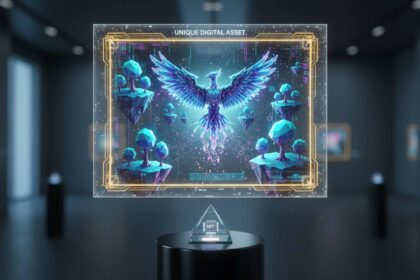

Non-fungible tokens, commonly known as NFTs, have emerged as one of the most discussed technologies in the digital space over the past several years. From digital art selling for millions of dollars to musicians using them as a new revenue stream, NFTs have captured public attention and sparked conversations about the future of digital ownership. Understanding what NFTs are, how they function, and their potential implications is essential for anyone looking to navigate today's rapidly evolving digital landscape. This guide provides a comprehensive yet accessible overview of non-fungible tokens, breaking down complex concepts into clear, understandable explanations that will leave you with a solid foundation of knowledge on this intriguing subject.
The Basic Definition of NFT
An NFT, or non-fungible token, is a unique digital certificate stored on a blockchain that verifies ownership and authenticity of a specific digital item. The term "non-fungible" means that each token is one-of-a-kind and cannot be exchanged on a one-to-one basis with another identical item, unlike cryptocurrencies such as Bitcoin or Ethereum where each unit is interchangeable. When you own an NFT, you own the token that represents proof of ownership for a particular digital asset, whether that asset is a piece of digital art, a video clip, a music file, a domain name, or even a physical item represented digitally.
The key distinction between NFTs and traditional digital files lies in the blockchain technology that underpins them. While anyone can download or copy a digital image from the internet, the NFT serves as a verifiable record of who owns the original, similar to how a certificate of authenticity might accompany a physical painting. This blockchain-based verification creates scarcity and provenance for digital items that historically could be endlessly replicated without any way to distinguish the original from copies. The ownership record is permanently maintained on the blockchain, meaning it cannot be altered or forged, providing a level of security and trust that traditional digital ownership lacks.
How Blockchain Technology Makes NFTs Work
To understand NFTs fully, you need to grasp the blockchain technology that powers them. A blockchain is a distributed digital ledger that records transactions across many computers in a network, making the records extremely difficult to alter retroactively. When an NFT is created, or "minted," the transaction is recorded on a blockchain, typically Ethereum, creating an permanent and transparent history of ownership. This decentralized nature means there is no single authority controlling NFT transactions; instead, the network of computers validates and records each transaction collectively.
The process begins when someone creates an NFT using a smart contract, which is a self-executing program stored on the blockchain that automatically enforces certain rules. These smart contracts contain metadata about the NFT, including information about the creator, ownership history, and any associated media or files. When you purchase an NFT, the ownership is transferred through the smart contract, which updates the blockchain to reflect your new ownership status. This entire process happens without needing intermediaries like banks or auction houses, enabling direct peer-to-peer transactions.
Most NFTs currently exist on the Ethereum blockchain, which was the first major platform to support them through its ERC-721 and ERC-1155 token standards. However, other blockchains including Solana, Polygon, Flow, and Tezos have also developed their own NFT standards, creating a multi-chain ecosystem where NFTs can exist across different platforms. Each blockchain offers different trade-offs in terms of transaction speed, cost, and environmental impact, which has influenced how different NFT projects choose to operate.
What Can Be Tokenized as an NFT
The applications for NFT technology extend far beyond the digital art market that initially popularized them. Digital art remains one of the most prominent use cases, with artists finding new ways to monetize their work and maintain royalties on secondary sales. Platforms like OpenSea, Rarible, and Foundation have become marketplaces where digital artists can mint and sell their creations directly to collectors, often retaining a percentage of sales whenever the artwork is resold. This ability to earn ongoing royalties represents a significant shift from traditional art markets where artists typically receive payment only for the initial sale.
Beyond visual art, NFTs now encompass a wide range of digital and physical assets. Music artists have released albums and individual tracks as NFTs, sometimes including exclusive perks like concert tickets or backstage passes. Sports organizations have created NFT collectibles representing memorable moments, with companies like NBA Top Shot becoming particularly popular for selling highlights as tradable tokens. Gaming items, virtual real estate, domain names, and even tweets have all been tokenized, demonstrating the versatility of the underlying technology.
The concept of tokenizing real-world assets represents another growing application for NFTs. Real estate, luxury goods, and other physical items can be represented as NFTs, potentially simplifying ownership transfers and increasing transparency. While this application is still in its early stages, some companies are exploring how NFTs could revolutionize traditional markets by making asset ownership more accessible and liquid. The ability to fractionalize ownership through NFTs means that high-value assets could potentially be divided among many investors, opening up opportunities that were previously available only to the wealthy.
The Economic Reality and Market Dynamics
The NFT market has experienced dramatic fluctuations since its initial surge in popularity during 2021. Record-breaking sales captured headlines worldwide, with digital artist Beeple's artwork selling for $69 million at Christie's, signaling mainstream acceptance of digital collectibles. However, the market has also faced significant downturns, with trading volumes declining substantially from their peaks and many projects losing considerable value. Understanding this volatility is important for anyone considering involvement with NFTs.
The economic dynamics of the NFT space involve several unique factors that differ from traditional markets. Minting, the process of creating an NFT, requires paying blockchain transaction fees that can vary significantly depending on network congestion. Buying and selling NFTs typically involves marketplace fees, and creators often set royalty percentages that provide them with ongoing income from secondary sales. These economic structures create an entire ecosystem of traders, collectors, creators, and platforms, each playing different roles in the marketplace.
Critics have raised legitimate concerns about the environmental impact of blockchain technologies used for NFTs, particularly proof-of-work systems like Ethereum's. The energy consumption required for transactions has led some artists and collectors to seek more environmentally friendly alternatives. Ethereum completed a major transition to proof-of-stake in September 2022, reducing its energy consumption by approximately 99.95%, addressing many of these environmental concerns. Other blockchains were designed from the start to be more energy-efficient, making them attractive options for environmentally conscious participants.
Understanding Ownership and Rights
A crucial aspect of NFTs that often causes confusion is the relationship between owning the NFT itself and owning the underlying digital content. When you purchase an NFT, you own the token that represents ownership of the associated digital item, but this does not necessarily grant you exclusive rights to use, reproduce, or profit from that content in all ways. The specific rights transferred with an NFT purchase vary widely and are determined by the terms set by the creator.
Some NFT projects provide extensive rights to buyers, including commercial usage rights that allow owners to create merchandise or other products featuring the digital content. Others maintain more restrictive terms, where buyers own the token as a collectible but cannot use the underlying artwork commercially. This variation makes it essential for potential buyers to carefully review the terms associated with any NFT before purchasing. The token itself provides proof of ownership, but the rights to the content require separate consideration.
The concept of "ownership" in the NFT space also raises philosophical questions about the value proposition of digital items that can be freely viewed or copied online. Critics argue that NFTs represent little more than speculative assets backed by nothing but perceived value, pointing out that anyone can still view or even save copies of digital art regardless of who owns the NFT. Proponents counter that ownership has always been about more than mere possession, and that the status and rights that come with NFT ownership provide meaningful value beyond what anyone else can access.
Frequently Asked Questions
What is the main purpose of an NFT?
The primary purpose of an NFT is to establish verified ownership and provenance for digital or physical assets using blockchain technology. NFTs solve the problem of proving authenticity and ownership in the digital world, where copies of files can be distributed infinitely without any way to distinguish the original. They enable creators to monetize their work directly, maintain royalties on secondary sales, and provide collectors with verifiable proof of authenticity.
How do I buy an NFT?
To purchase an NFT, you typically need a digital wallet that supports cryptocurrency, which is the primary method of payment for NFTs. Most NFT marketplaces accept Ethereum, though some accept other cryptocurrencies or even traditional payment methods. You'll need to set up a wallet like MetaMask, fund it with the appropriate cryptocurrency, then connect to an NFT marketplace like OpenSea, Blur, or Solanart to browse and purchase tokens. Be sure to account for gas fees and marketplace commissions when calculating total costs.
Can anyone create an NFT?
Yes, virtually anyone can create an NFT by minting one on a blockchain through an NFT marketplace or dedicated minting platform. The process typically involves uploading the digital file you want to tokenize, setting your desired royalties and terms, and paying the associated blockchain transaction fees. Some platforms offer free minting, while others require payment upfront. This accessibility has democratized digital ownership, allowing independent artists and creators to enter the space without requiring approval from traditional gatekeepers.
Are NFTs only for digital art?
No, while digital art represents one of the most visible applications, NFTs can represent many different types of assets. These include music and audio files, video content and sports highlights, gaming items and virtual real estate, domain names, and even physical goods like luxury items or real estate. The underlying technology simply provides a way to verify ownership of any unique item, making the applications nearly limitless.
What happens if the website hosting my NFT image goes offline?
This is an important consideration in the NFT space. While the NFT token itself remains secure on the blockchain, the associated media files are often stored separately using solutions like IPFS (InterPlanetary File System) or traditional web hosting. If a centralized server goes offline, the image may become inaccessible even though you still own the token. Many projects now use IPFS or decentralized storage solutions to ensure media remains available, but it's wise to research how any NFT you're considering purchasing stores its associated content.
Are NFTs a good investment?
Investing in NFTs carries substantial risk, and prospective participants should understand that the market is highly volatile and speculative. Many NFTs have lost significant value from their purchase prices, and the market lacks the regulatory protections found in traditional financial markets. If considering NFTs as an investment, only use funds you can afford to lose entirely, thoroughly research projects before committing money, and be prepared for the possibility of total loss. The space remains largely unregulated, meaning investors have limited recourse if things go wrong.
Conclusion
NFTs represent a significant technological development in the realm of digital ownership, offering new possibilities for creators, collectors, and anyone interested in verifying authenticity online. While the initial hype has settled, the underlying technology continues to evolve and find applications across industries from entertainment to real estate. Understanding how NFTs work, what they can represent, and the limitations of ownership rights is essential for navigating this space intelligently.
Whether you ultimately choose to participate in the NFT market or simply observe its development, having a clear understanding of what NFTs are and how they function provides valuable context for understanding the broader digital economy. As with any emerging technology, staying informed and approaching participation with careful consideration of the risks and benefits will serve you well in the years ahead.