


Blockchain technology has emerged as one of the most transformative innovations since the advent of the internet. Originally developed as the underlying technology for Bitcoin, blockchain has evolved into a versatile platform with applications spanning finance, healthcare, supply chain management, and beyond. This comprehensive guide will walk you through everything you need to know about blockchain technology, from its fundamental concepts to real-world applications and future potential.
What is Blockchain Technology?
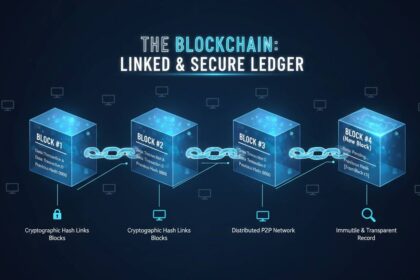
Blockchain is a distributed ledger technology that records transactions across multiple computers in a way that makes the records extremely difficult to alter retroactively. Each "block" contains a group of transactions, and these blocks are chained together chronologically, forming a permanent and transparent record.
The technology operates on a decentralized network of computers, known as nodes, that collectively maintain the ledger. When a new transaction occurs, it is broadcast to the network, validated by nodes through a consensus mechanism, and then added to a block. Once a block is filled with transactions, it is cryptographically sealed and linked to the previous block, creating an immutable chain.
📊 STATS
• The global blockchain market is projected to reach $1.39 trillion by 2030
• Over 100 million people worldwide use cryptocurrency wallets
• Major companies investing in blockchain R&D include IBM, Microsoft, Amazon, and JPMorgan Chase
Key Takeaways
• Decentralization: No single entity controls the network
• Transparency: All transactions are visible to participants
• Immutability: Once recorded, data cannot be easily changed
• Security: Cryptographic hashing protects transaction integrity
• Speed: Cross-border settlements that take days now complete in seconds
Unlike traditional databases managed by a central authority, blockchain distributes control across a network of participants. This fundamental difference eliminates single points of failure and reduces reliance on intermediaries, potentially transforming how businesses and individuals transact.
Core Components
Elements of Blockchain Architecture:
• Blocks: Data containers that store transaction information, a timestamp, and a cryptographic hash of the previous block
• Nodes: Computers that maintain copies of the entire blockchain and validate transactions
• Miners/Validators: Participants who verify transactions and add new blocks to the chain
• Consensus Mechanism: The protocol that ensures all nodes agree on the state of the ledger
• Cryptographic Hash: A unique digital fingerprint that secures each block's contents
• Smart Contracts: Self-executing programs that automatically enforce contract terms
💡 STAT: Bitcoin, the first blockchain, processes approximately 7 transactions per second, while newer blockchains like Solana can handle over 65,000 transactions per second .
How It Works
When you initiate a transaction on a blockchain network, your wallet creates a digital signature using your private key. This transaction is then broadcast to the network of nodes. Nodes verify that you have sufficient balance and that the signature is valid. Once validated, the transaction enters a pool of unconfirmed transactions called the "mempool."
Miners or validators then select transactions from the mempool and attempt to solve a complex mathematical puzzle or meet other consensus requirements. The first to successfully validate the block receives a reward in the form of cryptocurrency. Once the block is added to the chain, all nodes update their copy of the ledger, and the transaction becomes permanently recorded.
Types of Blockchains
Understanding the different types of blockchain networks is essential for grasping their practical applications.
| Type | Public/Private | Examples | Use Case |
|---|---|---|---|
| Public | Open to anyone | Bitcoin, Ethereum | Cryptocurrency, DeFi |
| Private | Invitation-only | Hyperledger Fabric | Enterprise solutions |
| Consortium | Multi-organizational | R3 Corda | Banking, supply chain |
Public Blockchains
Public blockchains are open networks where anyone can participate as a node or validator. Bitcoin and Ethereum are the most prominent examples. These networks offer maximum decentralization and transparency but may face scalability challenges. Transaction speeds are typically slower, and energy consumption can be significant for proof-of-work systems.
Private Blockchains
Private blockchains restrict participation to invited members only. Organizations use these for internal operations where confidentiality matters. Hyperledger Fabric, developed by IBM, is a leading enterprise blockchain platform. Private blockchains offer faster transaction processing and greater control but sacrifice some decentralization benefits.
Consortium Blockchains
Consortium blockchains operate under the governance of multiple organizations rather than a single entity. These are particularly popular in banking and finance, where multiple institutions need to share data while maintaining privacy. R3 Corda, used by over 100 financial institutions, exemplifies this approach.
Benefits and Advantages
Blockchain technology offers compelling advantages that explain its growing adoption across industries.
| Benefit | Impact | Example |
|---|---|---|
| Cost Reduction | Up to 50% lower transaction fees | Cross-border payments |
| Speed | Settlement in seconds vs. days | International wire transfers |
| Transparency | Full audit trail | Supply chain tracking |
| Security | 256-bit encryption | Data protection |
| Trust | Eliminates intermediaries | Peer-to-peer transactions |
Key Advantages
Top Benefits:
• Reduced Fraud: Immutable records prevent manipulation and double-spending
• Lower Costs: Eliminating middlemen reduces transaction fees significantly
• Greater Efficiency: Automated processes through smart contracts streamline operations
• Enhanced Privacy: Cryptographic techniques protect user identities while enabling verification
• Global Accessibility: Anyone with internet access can participate in public networks
• Real-time Auditing: Regulators and stakeholders can monitor transactions instantly
📈 CASE: Walmart reduced the time it takes to trace food products from 7 days to 2.2 seconds after implementing IBM Food Trust, a blockchain-based supply chain solution.
The financial sector has been particularly quick to adopt blockchain. JPMorgan Chase processes over $1 trillion in daily transactions through its blockchain platform, while Mastercard has integrated blockchain for cross-border payment settlements.
Common Use Cases
Blockchain technology extends far beyond cryptocurrency, with applications transforming numerous industries.
Cryptocurrency and Finance
Bitcoin remains the most recognized application of blockchain, serving as a digital store of value and medium of exchange. Ethereum expanded the concept by introducing smart contracts, enabling decentralized applications (dApps) and the creation of new digital assets through initial coin offerings.
DeFi (Decentralized Finance) platforms now offer lending, borrowing, and trading services without traditional financial institutions. Total value locked in DeFi protocols exceeds $50 billion .
Supply Chain Management
Companies use blockchain to track products from origin to consumer. This transparency helps verify authenticity, ensure ethical sourcing, and quickly identify contamination sources. Beyond food, luxury goods, pharmaceuticals, and electronics benefit from blockchain traceability.
Healthcare
Patient records stored on blockchain improve data security and interoperability between healthcare providers. Patients gain control over who accesses their medical information while ensuring accuracy and preventing unauthorized modifications.
Digital Identity
Blockchain enables self-sovereign identity systems where individuals control their personal data. This approach reduces identity theft risks and simplifies KYC (Know Your Customer) processes for businesses.
Voting Systems
Blockchain-based voting offers transparency and immutability, making electoral processes more secure and verifiable. Several countries have piloted blockchain voting in municipal and national elections.
Key Terminology
Understanding blockchain requires familiarity with essential terms:
- Hash: A fixed-size string of characters generated from input data
- Private Key: A secret code that authorizes transactions from your wallet
- Public Key: An address others use to send you cryptocurrency
- Wallet: Software that stores your private keys and enables transactions
- Gas: The fee paid to execute operations on networks like Ethereum
- Fork: A split in the blockchain that creates two separate paths
- DAO: Decentralized Autonomous Organization governed by smart contracts
Limitations and Challenges
Despite its promise, blockchain faces significant obstacles:
| Challenge | Impact | Current Solutions |
|---|---|---|
| Scalability | Network congestion | Layer 2 solutions, sharding |
| Energy Consumption | Environmental concerns | Proof-of-stake, renewable energy |
| Regulatory Uncertainty | Legal risks | Industry standards, sandbox programs |
| User Experience | Adoption barriers | Simplified interfaces, education |
| Interoperability | Siloed networks | Cross-chain protocols |
⚠️ CRITICAL: The energy consumption of proof-of-work blockchains like Bitcoin has drawn significant criticism. Bitcoin's annual energy consumption rivals some small countries. The transition to proof-of-stake has reduced energy use by approximately 99.95%.
Prevent: Before implementing blockchain solutions, organizations should conduct thorough technical assessments, consider environmental impact, and evaluate whether blockchain provides genuine advantages over traditional databases.
The Future of Blockchain
The blockchain ecosystem continues evolving rapidly. Key trends shaping its future include:
Enterprise Adoption: Major corporations are increasingly exploring private blockchain solutions for internal operations and inter-organizational transactions.
Web3 Development: The vision of a decentralized internet where users own their data is driving investment in blockchain infrastructure.
Central Bank Digital Currencies (CBDCs): Over 130 countries are exploring or piloting digital currencies backed by their central banks, many built on blockchain technology.
Real World Asset Tokenization: Traditional assets like real estate, stocks, and art are increasingly being represented as tokens on blockchains, enabling fractional ownership and easier transfer.
Interoperability: Cross-chain bridges and protocols are emerging to connect different blockchain networks, enabling seamless asset transfers and communication.
The convergence of blockchain with artificial intelligence,物联网 (IoT), and 5G networks promises even more transformative applications in the coming decade.
Conclusion
Blockchain technology represents a fundamental shift in how we think about trust, transparency, and decentralization. While initially known for powering cryptocurrencies, its applications now span virtually every industry. Understanding blockchain fundamentals positions you to navigate this technological transformation, whether you're evaluating investment opportunities, considering business applications, or simply curious about the digital economy's future.
The key to blockchain's value lies in its core principles: decentralization eliminates single points of failure, immutability ensures data integrity, and cryptographic security protects transactions. As the technology matures and addresses current limitations, we can expect accelerated adoption and innovative applications that reshape how value and information move through our global economy.
Whether blockchain becomes the foundational infrastructure for the next generation of the internet or evolves into something unforeseen, its impact on digital trust and coordination is already undeniable.
Frequently Asked Questions
What is blockchain technology in simple terms?
Blockchain is a digital ledger system that records transactions across many computers simultaneously. Once information is recorded, it's extremely difficult to change retroactively. Think of it as a shared, highly secure document that everyone can see but no single person controls.
How is blockchain different from a regular database?
Traditional databases are stored on central servers controlled by one organization. Blockchain distributes identical copies across thousands of computers worldwide. This decentralization means there's no single point of failure, and no entity can unilaterally change historical records.
Is blockchain the same as cryptocurrency?
No. Cryptocurrency is one application of blockchain technology. Blockchain is the underlying infrastructure, while cryptocurrencies like Bitcoin and Ethereum are digital assets that run on various blockchains. Blockchain also supports many other applications beyond money, including supply chain tracking, voting systems, and digital identity management.
Is blockchain secure?
Blockchain employs multiple security layers including cryptographic hashing, distributed consensus, and economic incentives that make tampering extremely difficult and expensive. However, the security of any blockchain application also depends on proper implementation, key management, and user practices.
How long does a blockchain transaction take?
Transaction times vary significantly by blockchain. Bitcoin typically takes 10-60 minutes for confirmation, while some newer blockchains confirm transactions in seconds. The time also depends on network congestion and the fee you're willing to pay.
Do I need technical knowledge to use blockchain?
No. Many user-friendly applications now abstract the technical complexity. Wallet apps like Coinbase Wallet and MetaMask handle the underlying blockchain operations, allowing users to send and receive cryptocurrency through simple interfaces similar to traditional banking apps.