

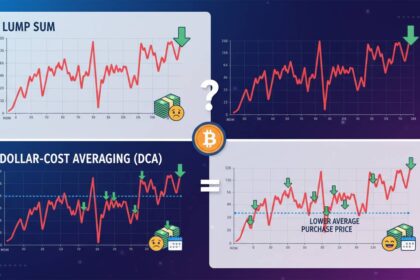

The cryptocurrency market has captivated millions of investors worldwide, but its notorious volatility often leaves newcomers uncertain about how to build their digital asset portfolios wisely. Among the various investment strategies that have emerged, dollar cost averaging in crypto has gained significant attention as a methodical approach to navigating price swings. This strategy, which has proven effective in traditional financial markets for decades, offers crypto investors a structured way to accumulate assets without the pressure of timing market movements. Understanding what is dollar cost averaging in crypto and how to implement it properly can help investors make more informed decisions in an unpredictable market environment.
Understanding Dollar Cost Averaging Fundamentals
Dollar cost averaging is an investment technique that involves investing a fixed amount of money at regular intervals, regardless of asset prices. Rather than attempting to buy cryptocurrencies at optimal moments, investors using this strategy purchase predetermined dollar amounts on a schedule—weekly, bi-weekly, or monthly. This approach automatically adjusts for market volatility by buying more units when prices are low and fewer units when prices are high, potentially lowering the average cost per unit over time.
The fundamental principle behind dollar cost averaging eliminates emotional decision-making from the investment process. When prices plummet, investors continue their scheduled purchases, accumulating more tokens at discounted rates. Conversely, when prices surge, the fixed investment amount purchases fewer tokens, naturally preventing overextension during market peaks. This disciplined framework appeals to both novice investors and experienced traders seeking to maintain consistent exposure to cryptocurrency markets without constant monitoring or speculative guesses about future price movements.
The strategy has roots in traditional stock market investing, where it has been widely documented as an effective way to build wealth gradually. Many financial advisors recommend dollar cost averaging for retirement accounts and long-term investment portfolios. The adaptation of this approach to cryptocurrency markets addresses the unique characteristics of digital assets, including 24-hour trading cycles, extreme price volatility, and the absence of traditional market hours or trading pauses.
How Dollar Cost Averaging Works in Cryptocurrency
Implementing dollar cost averaging in crypto requires establishing a consistent investment schedule and sticking to it regardless of market conditions. For example, an investor might commit to purchasing $100 worth of Bitcoin every two weeks, regardless of whether the current price is $30,000 or $60,000. Over time, this approach creates an average purchase price that smooths out the impact of short-term price fluctuations.
The mathematical mechanics of dollar cost averaging demonstrate why many investors find this strategy appealing. Consider an investor who commits to purchasing $500 monthly of a particular cryptocurrency over six months. During this period, the asset price might fluctuate significantly—starting at $100, dropping to $50, then rising to $150. By continuing purchases throughout these price movements, the investor accumulates more tokens when prices decline and fewer when prices rise, resulting in an average cost basis that typically falls between the highest and lowest prices observed during the investment period.
Most cryptocurrency exchanges and trading platforms now offer automated purchasing features that facilitate dollar cost averaging strategies. These tools allow users to set up recurring purchases, select specific cryptocurrencies, define investment amounts, and establish purchase intervals. This automation removes the need for manual intervention and ensures consistency, which proves essential for the strategy's long-term success.
Benefits of Adopting DCA in Crypto Investing
The primary advantage of dollar cost averaging lies in its ability to mitigate the risks associated with market timing. Cryptocurrency markets are notoriously difficult to predict, with even experienced analysts frequently misjudging price movements. By maintaining a consistent investment schedule, DCA practitioners avoid the common trap of attempting to time market bottoms or peaks—a task that even professional investors struggle to accomplish consistently.
Another significant benefit involves the psychological comfort it provides during market downturns. Cryptocurrency markets have experienced multiple dramatic crashes, including the 2018 bear market that saw Bitcoin lose over 80% of its value and the 2022 market correction that eliminated trillions in market capitalization. Investors using dollar cost averaging during these periods continued accumulating assets at reduced prices, positioning themselves advantageously for subsequent recovery phases.
Dollar cost averaging also makes cryptocurrency investing more accessible to individuals who may not have large lump sums available for investment. Rather than requiring substantial capital to enter the market, investors can begin with modest amounts that fit within their regular budget. This accessibility has helped democratize cryptocurrency investment, allowing broader participation in digital asset markets regardless of financial standing.
The strategy additionally promotes financial discipline by treating cryptocurrency investments as regular expenses similar to bill payments or savings contributions. This framework transforms speculative trading into a structured wealth-building exercise, encouraging long-term thinking over short-term speculation.
Potential Risks and Limitations to Consider
While dollar cost averaging offers numerous advantages, investors should understand its limitations and potential drawbacks. The strategy does not guarantee profits, and in certain market conditions, it may underperform lump-sum investments. During sustained bull markets, for instance, investing everything immediately would capture more gains than spreading purchases over time. The key is that dollar cost averaging trades potentially higher returns for reduced risk and psychological stress.
Transaction fees represent another consideration for dollar cost averaging practitioners. Frequent purchases accumulate trading fees over time, which can impact overall returns, particularly on platforms with higher fee structures. Investors should compare exchange fee schedules and consider how fees might affect their specific investment amounts and frequency. Some exchanges offer reduced fees for larger trades or provide fee-free recurring purchase options.
Market timing risks, while reduced through DCA, are not entirely eliminated. If an investor begins a dollar cost averaging strategy during a prolonged bear market, they may experience years of unrealized losses before seeing returns. The strategy assumes that the underlying asset will eventually appreciate, which may not hold true for all cryptocurrencies. Investors must conduct proper due diligence on their chosen digital assets, understanding that not every cryptocurrency will survive and thrive over the long term.
Additionally, dollar cost averaging requires genuine commitment and patience. The strategy's effectiveness emerges only over extended periods—typically years rather than months. Investors who abandon their scheduled purchases during difficult market conditions defeat the purpose of the approach and may realize losses that could have been avoided through consistency.
Dollar Cost Averaging Versus Lump Sum Investing
The debate between dollar cost averaging and lump sum investing represents one of the most discussed topics in investment strategy. Lump sum investing involves investing all available capital immediately, betting that current market conditions present favorable entry points. This approach performed exceptionally well during many periods of cryptocurrency history, particularly during the early adoption phases when prices increased dramatically from relatively low bases.
Research from traditional financial markets suggests that lump sum investing tends to outperform dollar cost averaging approximately two-thirds of the time when markets exhibit upward bias. This makes intuitive sense: when markets generally rise, getting money invested sooner rather than later typically yields better results. However, cryptocurrency markets feature extraordinary volatility that distinguishes them from traditional asset classes, making the timing question more complex.
The choice between these approaches often depends on individual circumstances and risk tolerance. Investors with substantial capital and high risk tolerance may prefer lump sum investing during favorable market conditions. Those with smaller amounts to invest regularly, or those who experience anxiety about market volatility, typically benefit more from dollar cost averaging's structured approach. Many sophisticated investors use a hybrid strategy, investing a portion of their capital immediately while maintaining reserves for scheduled future purchases.
Practical Implementation Strategies
Successful implementation of dollar cost averaging in cryptocurrency requires establishing clear parameters before beginning. Investors should determine their total investment amount, investment frequency, preferred cryptocurrencies, and commitment duration. Setting up automatic purchases through reputable exchanges eliminates the temptation to modify strategies based on short-term market movements.
Diversification across multiple cryptocurrencies can reduce concentration risk while maintaining the core dollar cost averaging framework. Rather than investing exclusively in Bitcoin, investors might allocate portions to established altcoins with different risk profiles and use cases. This approach provides exposure to potential growth in multiple sectors of the cryptocurrency ecosystem while maintaining the systematic purchasing discipline.
Regular portfolio review remains essential even when using dollar cost averaging. Market conditions evolve, and investment goals may change over time. Periodic assessment ensures that the strategy continues aligning with financial objectives and allows for adjustments when circumstances warrant. However, changes should result from thoughtful analysis rather than emotional reactions to temporary market movements.
Conclusion
Dollar cost averaging represents a time-tested investment approach that has proven particularly relevant for cryptocurrency markets characterized by extreme volatility and unpredictable price movements. By committing to regular, predetermined purchases regardless of market conditions, investors can build cryptocurrency positions methodically while reducing the psychological burden of timing decisions. The strategy does not guarantee profits and may underperform lump-sum investing during certain market conditions, but its ability to mitigate timing risks and promote disciplined investing makes it valuable for many participants in digital asset markets.
For those wondering what is dollar cost averaging in crypto and whether it suits their investment goals, the approach offers a sensible framework for long-term participation in cryptocurrency markets. As with any investment strategy, success depends on careful asset selection, consistent execution, and realistic expectations about returns and time horizons. Investors should consider their individual financial situations, risk tolerance, and investment objectives when determining whether dollar cost averaging aligns with their cryptocurrency investing strategy.
Frequently Asked Questions
What is dollar cost averaging in crypto?
Dollar cost averaging in crypto is an investment strategy where you invest a fixed amount of money at regular intervals (weekly, bi-weekly, or monthly) regardless of cryptocurrency prices. This approach automatically buys more tokens when prices are low and fewer when prices are high, potentially lowering your average cost per token over time.
How much should I invest using dollar cost averaging?
The appropriate investment amount depends on your financial situation, investment goals, and risk tolerance. Start with an amount you can comfortably commit consistently without jeopardizing your financial stability. Many investors begin with amounts fitting within their regular budget and increase contributions as their income allows.
Which cryptocurrencies are best for dollar cost averaging?
Bitcoin and Ethereum remain the most popular choices for dollar cost averaging due to their established market positions and widespread adoption. However, investors should conduct their own research and consider diversification across multiple cryptocurrencies based on their risk tolerance and investment thesis.
Does dollar cost averaging work in bear markets?
Yes, dollar cost averaging can be particularly effective during bear markets because it allows investors to accumulate more tokens at lower prices. While short-term unrealized losses may occur, continued purchases during downturns position investors advantageously for eventual market recoveries.
How long should I continue dollar cost averaging?
Dollar cost averaging is designed as a long-term strategy, typically spanning several years. The longer you maintain consistent purchases, the more the strategy's benefits of smoothing volatility and reducing timing risk become apparent. Many investors continue indefinitely as part of their long-term wealth-building approach.
Can I combine dollar cost averaging with other strategies?
Absolutely. Many investors use dollar cost averaging as a core strategy while maintaining flexibility for additional purchases during exceptional market opportunities. This hybrid approach combines the discipline of systematic investing with the ability to capitalize on significant market dislocations when they occur.