

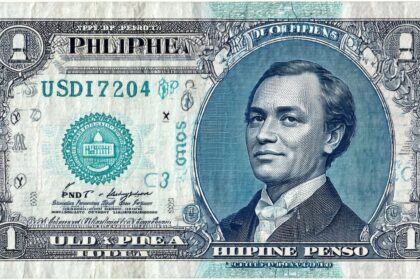

The explosive growth of digital currencies has redefined how people transfer, store, and conceptualize money—especially in markets like the Philippines, where remittances and digital payments are critical components of daily life. Among these digital assets, Tether (USDT) stands out for its “stablecoin” nature, offering price stability by pegging its value one-to-one to the US dollar. As more Filipinos turn to cryptocurrencies for remittance, trade, and investment, knowing how to efficiently convert USDT to PHP (Philippine Peso) is increasingly important. This guide explores the mechanics and real-world scenarios of Tether-to-Peso exchange, with practical insights and data-driven analysis.
The Rise of Tether (USDT) in Philippine Crypto Ecosystem
Tether (USDT) has rapidly gained traction across Southeast Asia, with the Philippines emerging as a key market. With millions of Filipinos working abroad, remittances have long been a lifeline for families. Historically, international transfers have been plagued by high fees, slow settlement times, and hidden conversion costs. Enter USDT: its stable value and instant transferability appeal to remittance senders and local crypto users alike.
Recent studies highlight that a growing share of inbound remittances to the Philippines is being routed through stablecoins. Industry estimates from local exchanges suggest double-digit percentage growth in USDT remittance volumes over recent years. According to a Philippine crypto market specialist:
"Stablecoins like USDT offer predictable value and low fees, making them a game-changer for overseas Filipino workers seeking to maximize the impact of their remittances."
This trend is strengthened by a robust local digital infrastructure. With widespread smartphone adoption and a tech-savvy young population, exchanging crypto for pesos via competitive online platforms is now within reach for millions.
How Does USDT to PHP Conversion Work?
Understanding the mechanics behind converting USDT to PHP is crucial for optimizing your transactions. Essentially, the process involves selling your Tether for pesos through an exchange or conversion service.
Key Platforms for Conversion
There are several reputable platforms and tools for USDT to PHP exchange, each offering different tradeoffs in terms of speed, cost, and user experience:
- Centralized exchanges (CEXs): Binance, Coins.ph, and PDAX are among the most popular. These platforms offer liquidity, security features, and transparent rates but may require KYC verification.
- Peer-to-peer (P2P) marketplaces: Binance P2P and local Facebook groups connect buyers and sellers directly, sometimes delivering better rates but with added counterparty risk.
- Crypto wallets and fintech apps: Some mobile wallets, such as Coins.ph, enable direct USDT deposit and peso withdrawal, simplifying the process for new users.
Steps for a Typical Conversion
- Create an account with your preferred platform (KYC required for most).
- Deposit USDT into your exchange or wallet.
- Initiate a sell order or P2P trade to convert USDT to PHP.
- Withdraw PHP to your bank account, e-wallet, or cash-out partner.
It’s worth noting that exchange rates and fees can vary, making it essential to compare options and understand any hidden charges.
Factors Influencing the USDT to PHP Exchange Rate
While USDT is pegged to the US dollar, the USD/PHP exchange rate is influenced by domestic and global economic forces. Consequently, the USDT to PHP conversion rate closely tracks the USD to PHP rate, with minor adjustments for platform fees and market liquidity.
Major Influences on Conversion Rates
- USD/PHP rate fluctuations: Regularly updated by financial authorities and currency markets, this rate forms the foundation of the USDT to PHP value.
- Platform fees and spreads: Each exchange applies a spread—often a small percentage—that represents their profit margin or risk buffer.
- Market demand and liquidity: Sudden surges in demand for USDT or PHP on a given platform can briefly tilt exchange rates.
- Regulatory environment: The Bangko Sentral ng Pilipinas (BSP) has implemented progressive but measured steps toward regulating cryptocurrency, which sometimes affects liquidity and onboarding options.
Example: Real-World Rate Scenario
Suppose the current USD to PHP rate is 56.00. If you exchange 1,000 USDT at this rate, you would expect to receive approximately 56,000 PHP. However, after accounting for a 1.5% platform spread and withdrawal fees, the net amount might be closer to 55,000 PHP, depending on where and how you trade.
Using a USDT to PHP Conversion Calculator
Accurately estimating conversions before you act is crucial. Online USDT to PHP calculators—offered by exchanges or third-party fintech tools—allow users to check real-time rates, see estimated fees, and compare options instantly. Many calculators draw data from top exchanges and aggregate API sources, factoring in current market volatility.
Features to Look For
- Real-time exchange rates matching leading platforms.
- Breakdown of fees and spreads, not just the headline rate.
- Multiple currency pairs and stablecoins for comparison.
- Historical charts for trend analysis.
Using these calculators can help you optimize timing and choice of platform, particularly for larger transactions.
Benefits and Challenges of Converting USDT to PHP
Beyond basic mechanics, there are critical pros and cons to exchanging Tether for pesos.
Advantages
- Speed: Settlement is often near-instant, particularly for trusted accounts and high-liquidity platforms.
- Transparency: Calculators and platforms make comparison shopping easier than in traditional remittance systems.
- Low cost: Fees are usually competitive with, or lower than, traditional wire transfers.
Challenges
- Learning curve: New users may find KYC, wallets, and blockchain networks daunting.
- Market volatility: While USDT is stable, the PHP’s value versus the US dollar can still swing with market conditions.
- Scams and counterparty risk: P2P trades, while potentially offering better rates, require trust and vigilance.
Conclusion: Making the Most of USDT to PHP Conversion
Tether’s popularity among Filipinos is no accident. The ability to move funds quickly, predictably, and with low friction makes stablecoins a core pillar of the local digital economy. Yet users who seek the best value must remain alert to fluctuating rates, transparent fee structures, and platform credibility. By embracing reliable conversion tools and staying abreast of market developments, both first-time exchangers and seasoned crypto users can securely and efficiently bridge dollars, tokens, and pesos in the Philippine context.
FAQs
How can I check the latest USDT to PHP rates?
Most exchanges and USDT to PHP calculators offer real-time rates based on global markets. Refreshing these tools frequently ensures you see the most accurate value.
Do I need to verify my identity to convert USDT to PHP?
Yes, most reputable exchanges and wallet services require identity verification before enabling fiat conversions, in line with regulations from the Bangko Sentral ng Pilipinas.
Are there limits on how much USDT I can convert to peso?
Limits vary by platform, with many exchanges imposing daily or monthly thresholds. Always review the terms of your chosen service for up-to-date restrictions.
Can I receive PHP directly to my bank account from USDT?
Many platforms allow direct bank withdrawals after USDT is sold, but processing times may differ. Check the platform’s support for your specific bank.
Is converting USDT to PHP taxable in the Philippines?
Tax obligations may arise from crypto transactions; consult a Philippine tax professional for clarity on reporting and compliance requirements.
What’s the safest way to convert USDT to PHP?
Centralized, BSP-regulated exchanges generally provide the most secure experience. Always enable two-factor authentication for added protection.
