

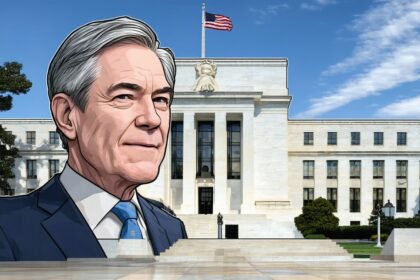

The dynamic landscape of digital assets has become a central topic in global financial discourse. Nowhere is this more apparent than in the careful scrutiny paid to the perspectives and policies of Federal Reserve Chair Jerome Powell. As the head of the most influential central bank, Powell's comments on cryptocurrency—whether critical, cautious, or measured—have immediate repercussions across global markets. Political debates, institutional investments, and the progress of digital asset regulation are now closely tied to every remark from the Federal Reserve. Understanding Powell’s stance on crypto is essential for decoding not only present regulatory trends but also the potential long-term future of digital assets.
How Jerome Powell Has Framed Crypto in the Global Economic Conversation
Jerome Powell's tenure as Federal Reserve Chair has intersected with a period of significant growth and turbulence in the digital asset sector. His comments have often balanced innovation's promises with systemic risks, spotlighting the need for regulatory clarity.
During key testimonies before Congress, Powell has repeatedly emphasized the dual nature of cryptocurrencies. On the one hand, he has recognized the innovation potential, particularly the advantages offered by blockchain technology such as faster settlement and programmable finance. On the other, he has expressed consistent apprehension about unregulated stablecoins and the proliferation of speculative investment in crypto markets.
His pragmatic approach is visible in statements such as:
"We don’t want to stifle innovation, but we have to make sure that the financial system remains resilient and risks are appropriately managed."
This nuanced tone stands in contrast to more polarized political or industry voices. The Federal Reserve under Powell has maintained a clear delineation: while supportive of underlying fintech innovation, there is concern around the potential use of cryptocurrencies for illicit finance and the risk of contagion stemming from unstable digital assets.
Regulatory Actions, Clarifications, and Ripple Effects
Policy Moves Affecting Digital Assets
Federal Reserve guidance under Powell has not led to direct bans or severe restrictions on cryptocurrencies akin to some other jurisdictions. Instead, the central bank has contributed to a slow but steadily evolving framework that places emphasis on consumer protection and market integrity.
Notable examples include:
- Active engagement with other U.S. regulatory agencies, such as the SEC and CFTC, on crypto market oversight.
- Issuance of cautionary statements to banks interested in digital asset custody or settlement services, prompting several leading U.S. banks to reevaluate or delay crypto service rollouts.
- Ongoing research on Central Bank Digital Currencies (CBDCs), with Powell repeatedly stressing that any move toward a digital dollar would require clear Congressional authorization.
In practical terms, this approach has encouraged responsible experimentation while stalling large-scale institutional adoption pending regulatory clarity.
Influence on Global Central Banks
Powell’s measured stance has impacted central bank attitudes worldwide. His call for coordinated global regulation, particularly around stablecoins and cross-border payments, echoes through discussions within the Bank for International Settlements and G20 finance meetings. Countries ranging from the UK to Japan have referenced the U.S. outlook in shaping their digital asset frameworks.
The Market Response: Volatility and Sentiment
Crypto Price Swings Linked to Federal Reserve Statements
Every Federal Reserve policy update, rate hike, or crypto-specific remark from Powell is analyzed for its impact on digital markets. Data compiled by several analytics firms point to crypto price volatility “spikes” following major Fed communications—most notably during policy meetings, press Q&As, or Powell’s appearances before Congress.
A recent example occurred amidst speculation about future interest rate hikes; Bitcoin and Ethereum both experienced significant price swings within hours of Powell’s testimony reiterating a cautious approach toward inflation and risk assets.
Institutional Strategy and Caution
Many large institutional players and hedge funds now recalibrate their exposure to crypto assets in lockstep with Fed tone shifts. Market participants report that Powell’s relatively conservative approach has created a “wait-and-see” attitude among pension funds and large asset managers, favoring blue-chip cryptocurrencies and regulated ETFs over more speculative tokens.
Key Areas of Ongoing Debate
Stablecoins and Systemic Risks
Powell has frequently singled out stablecoins as an area of particular concern, citing their rapid growth and potential as shadow banks. Without comprehensive regulation, the risk remains that stablecoins could amplify market instability or bypass key safeguards.
Central Bank Digital Currency (CBDC) Considerations
The future of a digital dollar remains uncertain. Under Powell’s stewardship, the Federal Reserve’s research into a CBDC has moved deliberately, emphasizing broad public consultation and inter-agency coordination. Powell has insisted any policy leap would require Congressional involvement, setting the U.S. on a slower, more consultative path than China or the EU.
Emphasis on Traditional Financial Safeguards
Throughout testimonies and reports, Powell has routinely argued that digital assets should be held to the same high standards as traditional financial products, especially around anti-money laundering (AML), know-your-customer (KYC), and consumer protections.
"Regulatory frameworks need to evolve alongside market developments so that risks are well managed and innovation continues to serve the public interest."
Real-World Case Study: Crypto Market Disruptions and Federal Reserve Impact
Consider the period around the collapse of a major stablecoin in 2022, an event that wiped out billions in investor value and reverberated across global markets. The incident amplified Powell’s warnings about lack of oversight and, in the aftermath, accelerated calls for new regulatory measures. Instances like this highlight the interconnectedness of Fed policy guidance, rapid market innovation, and the pressing need for robust regulatory infrastructure.
Concluding Summary
Jerome Powell’s approach to crypto remains defined by caution, deliberate analysis, and an insistence on regulatory clarity. Far from stifling innovation, his stance is encouraging responsible development by prioritizing financial stability and consumer protection. As digital assets evolve, Powell's measured tone and collaborative regulatory approach will likely continue to shape not only U.S. markets but also influence global digital asset frameworks. Future market participants, innovators, and regulators would be wise to monitor the Federal Reserve’s signals—both for risks to mitigate and for emerging opportunities to pursue.
FAQs
What is Jerome Powell’s main concern about cryptocurrencies?
Jerome Powell’s chief concern is the potential risk cryptocurrencies pose to financial stability, especially if they bypass essential regulatory safeguards related to fraud prevention, anti-money laundering, and consumer protection.
How does the Federal Reserve under Powell view stablecoins?
The Federal Reserve, led by Powell, sees stablecoins as a double-edged sword: innovative tools but potential sources of systemic risk if not overseen with strong regulatory frameworks.
Has Powell commented on the possibility of a U.S. central bank digital currency?
Yes, Powell has stated that the Federal Reserve is carefully researching a potential digital dollar, but emphasizes that any move forward would need broad consultation and definitive Congressional approval.
Do Powell’s statements directly impact crypto markets?
Yes, public comments and policy shifts from Powell regularly trigger crypto asset price volatility as markets attempt to interpret the Federal Reserve’s evolving stance on risk and regulation.
Does Powell support or oppose innovation in blockchain and digital assets?
Powell recognizes the innovative potential of blockchain technology but insists that innovation must align with regulatory standards to protect consumers and maintain financial stability.
Could upcoming Federal Reserve policy changes impact the crypto sector?
Future policy changes—especially around interest rates, financial oversight, or digital currency regulation—could have significant ripple effects on both crypto prices and institutional participation.
