

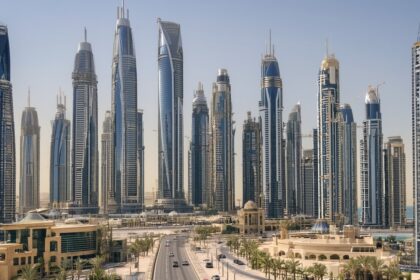

The surge of interest in digital assets and blockchain technology has positioned Dubai as one of the most dynamic global hubs for crypto innovation. Over the past few years, the city’s progressive regulatory landscape, robust financial infrastructure, and strategic government initiatives have attracted major crypto exchanges, blockchain startups, and investment funds. As digital assets evolve, Dubai continues to set benchmarks for crypto adoption, offering a distinct blend of opportunity, innovation, and compliance. This evolving ecosystem makes “Dubai crypto news” a focal point in the global conversation on the future of money and decentralized technology.
Regulatory Evolution: Dubai’s Framework for Crypto Growth
Dubai’s rise as a leading crypto destination can be traced to its proactive regulatory policies. The Dubai Virtual Assets Regulatory Authority (VARA), established in early 2022, was created to govern, license, and supervise virtual asset activities within Dubai (excluding the DIFC free zone). VARA’s comprehensive framework addresses critical aspects, including anti-money laundering (AML) measures, Know Your Customer (KYC) compliance, and consumer protection.
Key Highlights from Dubai’s Crypto Regulations
- Licensing Requirements: All firms providing virtual asset services must register with VARA and comply with strict operational standards.
- Consumer Protection: Regulations mandate safeguards for investors and require transparent communication of risks.
- AML/KYC Standards: Dubai aligns with Financial Action Task Force (FATF) recommendations to prevent misuse of digital assets.
Dubai’s regulatory clarity stands in contrast to the uncertainty that has hampered crypto development in several Western markets. By welcoming both established companies and startups while maintaining rigorous compliance standards, the city balances innovation with risk management.
"Dubai’s approach to digital assets has become a global benchmark, marrying regulatory discipline with entrepreneurial openness—a rare combination in the world of crypto policy."
— Dr. Ahmed Khatib, blockchain policy strategist
The Rise of Exchanges and Digital Asset Platforms
As regulation matured, major cryptocurrency exchanges have eyed Dubai for regional expansion. Global players like Binance, Crypto.com, and Bybit have joined homegrown platforms such as BitOasis in acquiring operating licenses. This influx is attracting robust retail trading volumes, fostering industry competition, and supporting thousands of local blockchain jobs.
What is Driving Exchange Growth in Dubai?
- Market Accessibility: Dubai’s position as a wealth hub and business center enables platforms to serve both institutional and retail clients across the Middle East and beyond.
- Infrastructure and Connectivity: World-class payment gateways, fintech sandboxes, and efficient settlement systems strengthen Dubai’s crypto trading environment.
- Talent Pipeline: The city is investing in digital literacy and technical upskilling, nurturing blockchain developers, compliance specialists, and crypto marketers.
In practice, Dubai’s exchanges are not just facilitating crypto trading; many are expanding into DeFi (decentralized finance), NFTs, and tokenized real estate, reflecting the broader digital asset spectrum attracting investor attention.
Institutional Adoption and the Role of Crypto Funds
Beyond retail trading, institutions in Dubai—from family offices to hedge funds—are showing increased interest in digital assets. Regulatory clarity and the government’s positive stance have enabled the launch of crypto-focused investment funds and blockchain venture arms operating under robust oversight.
- Family Offices: Many are diversifying portfolios into cryptocurrencies and blockchain startups, seeing both hedging and growth opportunities.
- Venture Capital: Dubai now hosts multiple VC funds specializing in Web3, metaverse, and token economy projects, fueling homegrown innovation and attracting foreign startups.
- Traditional Finance Adopters: UAE banks and remittance firms have begun pilot programs using blockchain for cross-border payments and trade finance.
The confluence of capital, regulatory stability, and talent is making Dubai a magnet for the next generation of digital asset entrepreneurs.
Blockchain Innovation and Industry Use Cases in Dubai
Beyond cryptocurrencies, Dubai is leveraging blockchain in public sector applications, real estate, supply chain, and digital identity. The city’s ambitious “Blockchain Strategy 2020” initiative laid the groundwork for numerous high-profile pilots and live platforms.
Real-World Examples of Blockchain Adoption
- Land Registry and Real Estate: The Dubai Land Department uses blockchain for transparent, paperless property transactions, reducing fraud and administrative costs.
- Healthcare: Digital health records, authentication, and access controls are piloted using blockchain to enhance patient privacy and interoperability.
- Logistics & Trade: The Dubai Customs and DP World are trialing distributed ledger solutions for faster, more secure trade documentation.
This broad institutional adoption distinguishes Dubai from other crypto hubs that primarily focus on speculation or tokenization. Government-led initiatives have created tangible, practical value from blockchain outside of the crypto trading arena.
Challenges: Navigating Risks and Market Volatility
Despite these advances, Dubai’s crypto sector is not immune to challenges. The volatility inherent in cryptocurrency markets, the constantly evolving regulatory environment, and international scrutiny of illicit finance risks require continuous vigilance.
- Regulatory Coordination: Dubai must continually harmonize local rules with international standards to maintain market integrity and attract cross-border partnerships.
- Market Education: Retail investors, often lured by rapid gains, can underestimate risk; local authorities have launched several digital literacy campaigns to promote safe practices.
- Fraud Prevention: As in other global markets, scam prevention and cybersecurity remain critical as digital assets scale.
Dubai’s open dialogue between regulators, industry, and investors helps to surface challenges rapidly and evolve frameworks that favor long-term stability over hype-driven growth.
Looking Ahead: The Future of Crypto in Dubai
As Dubai cements its position as a crypto and blockchain hub, the coming years are expected to bring greater institutional adoption, more advanced regulatory technologies (RegTech), and a proliferation of real-world use cases. The city’s focus on compliant innovation attracts both disruptive startups and established players, suggesting that Dubai will continue to play a decisive role in shaping the digital asset landscape in the Middle East and worldwide.
Conclusion
Dubai’s crypto sector reflects a sophisticated blend of regulatory foresight, international accessibility, and technological ambition. From global exchange platforms and VC-backed startups to pioneering blockchain pilots in public services, the city demonstrates how governance and innovation can work in sync. For entrepreneurs, investors, and regulators monitoring global “Dubai crypto news,” the city’s next phase of growth will offer lessons in both the promise and complexity of the digital financial revolution.
FAQs
What is the Dubai Virtual Assets Regulatory Authority (VARA)?
VARA is Dubai’s dedicated crypto regulatory body, responsible for licensing and supervising companies offering digital asset services to ensure industry compliance and consumer protection.
Which major crypto exchanges are licensed in Dubai?
Leading exchanges such as Binance, Crypto.com, Bybit, and homegrown BitOasis have obtained Dubai licenses, enabling them to operate locally and offer services to regional investors.
How is blockchain used outside of cryptocurrencies in Dubai?
Dubai applies blockchain in real estate transactions, healthcare data management, and logistics, driving efficiency, transparency, and security across various sectors.
Are crypto investments legal and safe in Dubai?
Crypto trading and investing are legal when conducted through approved and licensed platforms. Dubai’s regulations enhance consumer safety, but investors should always assess market risks.
Will Dubai’s regulatory environment change in the near future?
Dubai continually updates its regulations to align with global standards and address new risks, maintaining its position as a secure and innovative crypto hub.
How can new startups participate in Dubai’s blockchain ecosystem?
Startups can apply for VARA licensing, join government innovation programs, and access a growing network of VCs, accelerators, and talent pools within Dubai’s digital economy.
